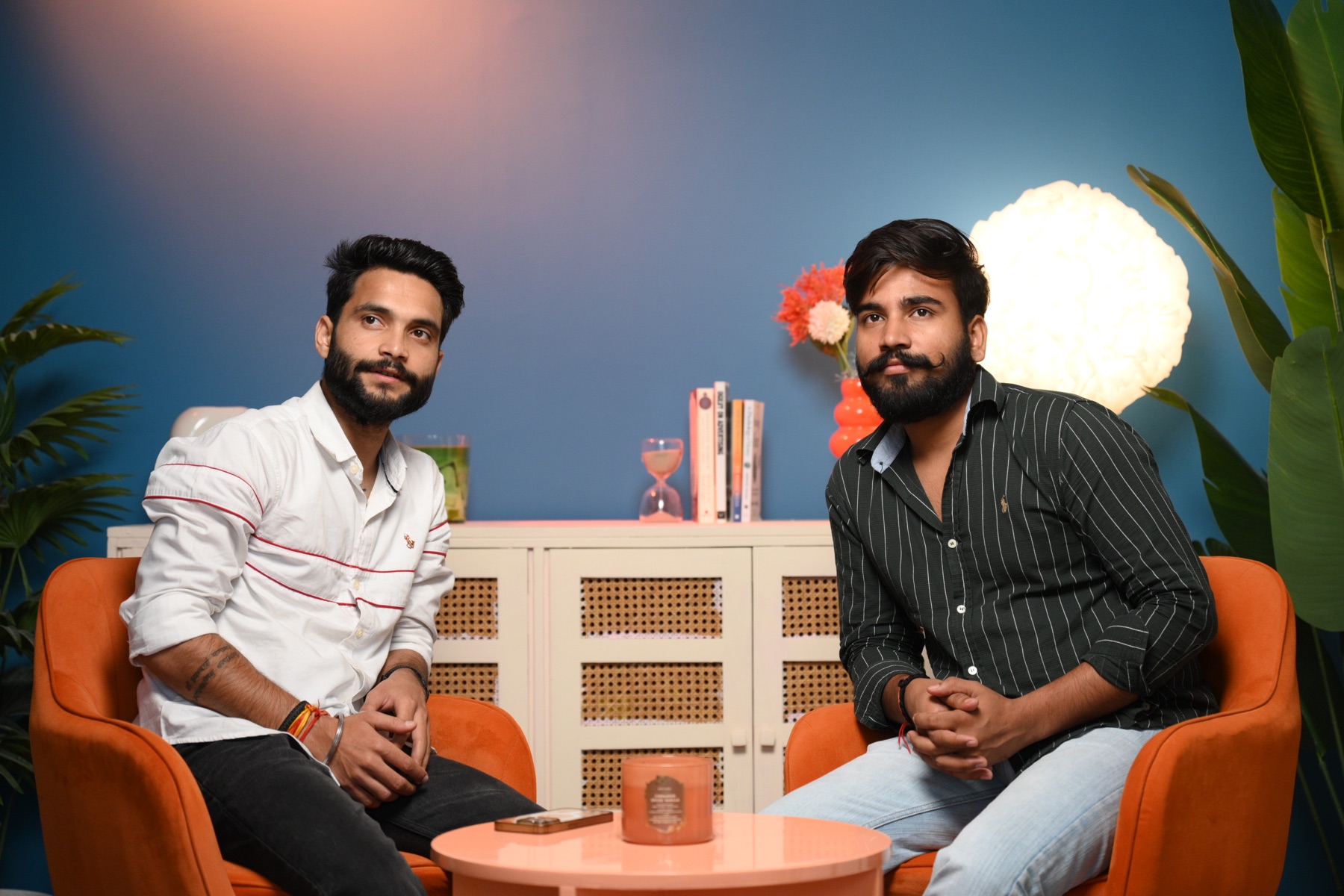
Audio-only and video podcasts can both build trust, but they create different demands on the host, guest, budget and publishing team. The right choice is not “whichever looks more professional.” It is the format your brand can produce consistently and distribute well.
This comparison helps Delhi NCR founders, marketing teams and creators decide between an audio podcast and a video podcast before they book a studio or commit to a season.
The practical difference between audio and video podcasts
An audio-first podcast is designed for listening. The recording can happen in a compact treated space, the guest can refer to notes freely and the edit is primarily shaped through sound. A video podcast adds cameras, lighting, set design, wardrobe, continuity and visual editing. It also creates a full-length YouTube asset and native clips for visual platforms.
Video does not replace the need for excellent sound. People may tolerate a simple picture if the conversation is valuable, but noisy, echoing or uneven audio quickly becomes tiring. A video podcast is therefore an audio production plus a visual production—not a shortcut around either.
Choose audio-first when listening is the product
Audio-only can be the stronger choice when the audience listens during travel, exercise or focused work; when guests need anonymity or visual privacy; or when the programme relies on narrative, reporting or intimate conversation rather than personality-led performance.
It also reduces operational friction. A guest can join with less wardrobe and grooming preparation, and the host has fewer continuity concerns. A lean audio workflow may make a weekly release realistic where a heavily produced video episode would become monthly or irregular.
Audio-first does not mean visually invisible. The brand still needs cover art, episode graphics, captions or audiograms and a distribution plan. If discovery depends heavily on Instagram, LinkedIn or YouTube, decide how the audio will be translated into useful visual posts.
Choose video when faces, demonstrations and discovery matter
Video is useful when the people are part of the brand, body language adds meaning or the conversation includes products, screens, sketches or demonstrations. A founder interview, expert discussion or creator collaboration often benefits from seeing expressions and chemistry.

A full video episode also gives the team more native material for YouTube, Shorts, Reels and LinkedIn. One recording can produce the main programme, speaker-specific clips, quote-led edits, thumbnails and still frames. That value appears only when the shoot is planned for repurposing: clean close-ups, consistent eyelines and compositions that survive vertical cropping.
Video is not automatically more discoverable. Titles, thumbnails, topics, hooks and consistent publishing still determine whether the assets reach the right audience. A beautiful set cannot compensate for a vague premise.
Compare the production load
Audio-only production usually needs
- a quiet or acoustically controlled room;
- one suitable microphone and track per speaker;
- monitoring, backup and clean editing;
- music and usage rights where relevant;
- cover art, episode metadata and platform distribution.
Video podcast production adds
- one or more cameras with reliable long-form recording;
- soft lighting for every speaker and angle;
- a set, props and brand-safe background;
- wardrobe, grooming and visual continuity;
- colour correction, multicamera editing and visual graphics;
- horizontal and vertical deliverables.
Use our podcast studio setup checklist to test the complete recording chain rather than comparing equipment lists alone.
Budget for the season, not one impressive episode
A format is sustainable only when the brand can repeat it. Estimate the full cost of four, six or twelve episodes, including studio time, crew, post-production, captions, thumbnails, clip selection and internal approvals.
Batch recording can improve efficiency for teams travelling from Delhi, Gurgaon, Faridabad or Ghaziabad to a Noida studio. Two or three episodes may share the same lighting and core set, but leave time for wardrobe changes, guest resets and data checks. Do not reduce the slot so aggressively that every conversation feels rushed.
If the visual identity must change for each guest, the production becomes closer to a campaign shoot. That may be appropriate for a premium branded series, but it should be a deliberate cost rather than a surprise.
A hybrid approach often gives brands the best balance
Many teams benefit from recording high-quality audio and a focused video package together. The full conversation can be distributed on audio platforms, while a carefully edited video episode or selected segments serve YouTube and social channels.
A hybrid plan does not require every deliverable to have the same production level. For example, the main episode can use three cameras while quick host introductions are captured phone-first. Or the brand can record video for priority guests and keep solo analysis episodes audio-led.
The key is a consistent audience promise. Listeners should understand what they receive each week, even if the visual production flexes.
Use this decision framework
Choose audio-first if most of these statements are true:
- the audience primarily wants deep listening;
- release frequency matters more than visual reach;
- guests need a low-friction or private environment;
- the team has limited visual editing capacity;
- the show is narrative or information-led rather than personality-led.
Choose video-first or hybrid if most of these statements are true:
- YouTube and short-form discovery are central goals;
- the host, guest chemistry or demonstration adds visual value;
- the brand needs a repeatable bank of social content;
- the team can support camera, lighting and visual post-production;
- a recognisable set can strengthen brand recall.
Questions to answer before booking
- Where will the full episode be consumed?
- How often can the team realistically publish?
- How many social clips are required from each recording?
- Does the guest or subject create genuine visual value?
- Who approves long-form edits, clips and thumbnails?
- What production level can be repeated for a complete season?
- Will the studio deliver raw files, edited episodes or both?
Sooper Studios supports photography, video and creator production in a flexible Noida space. See the environment in the studio gallery, review the broader production services or explore the studio page. If you share your audience, episode format and publishing plan through contact, the team can help you choose an efficient level of production.
Frequently asked questions
Is a video podcast better for SEO?
Video creates a searchable YouTube asset and more visual entry points, but format alone does not guarantee visibility. Useful topics, clear titles, transcripts, chapters, thumbnails, descriptions and consistent publishing all matter.
Can a video podcast also be released as audio?
Yes. Record clean, isolated audio tracks so the conversation still works without visual references. Avoid relying on phrases such as “as you can see” unless the audio edit provides enough context.
Is audio-only cheaper than a video podcast?
It is generally leaner because it removes cameras, lighting, set continuity and visual post-production. The final cost still depends on the number of speakers, recording length, editing complexity, music, remote guests and release frequency.
Should a new brand podcast start with video?
Start with video when faces and social discovery are important and the team can sustain the workflow. Otherwise, prove the premise and publishing rhythm with a strong audio-first format, then add a repeatable video layer.