The choice between a cyclorama vs paper backdrop changes more than the background colour. It affects floor coverage, subject movement, full-length framing, setup time, cleanliness, lighting, crew access and how quickly the next look can be created.
Both options can produce a seamless result. The right one depends on what the camera sees and what happens in front of it. This comparison helps Delhi NCR photographers, stylists, agencies and brand teams choose before the shoot schedule is locked.
What a cyclorama gives you
A cyclorama is a built surface where the wall curves into the floor. From the right camera angle, the transition disappears and creates the impression of continuous space. It is especially useful when the frame includes feet, floor contact, wide movement or several people.
The physical surface supports repeatable marks, wider lighting and movement more confidently than a loose sweep of paper. It can be lit white, allowed to fall grey or washed with colour. The trade-off is that it is a fixed studio feature and needs careful floor protection and maintenance.
What seamless paper gives you
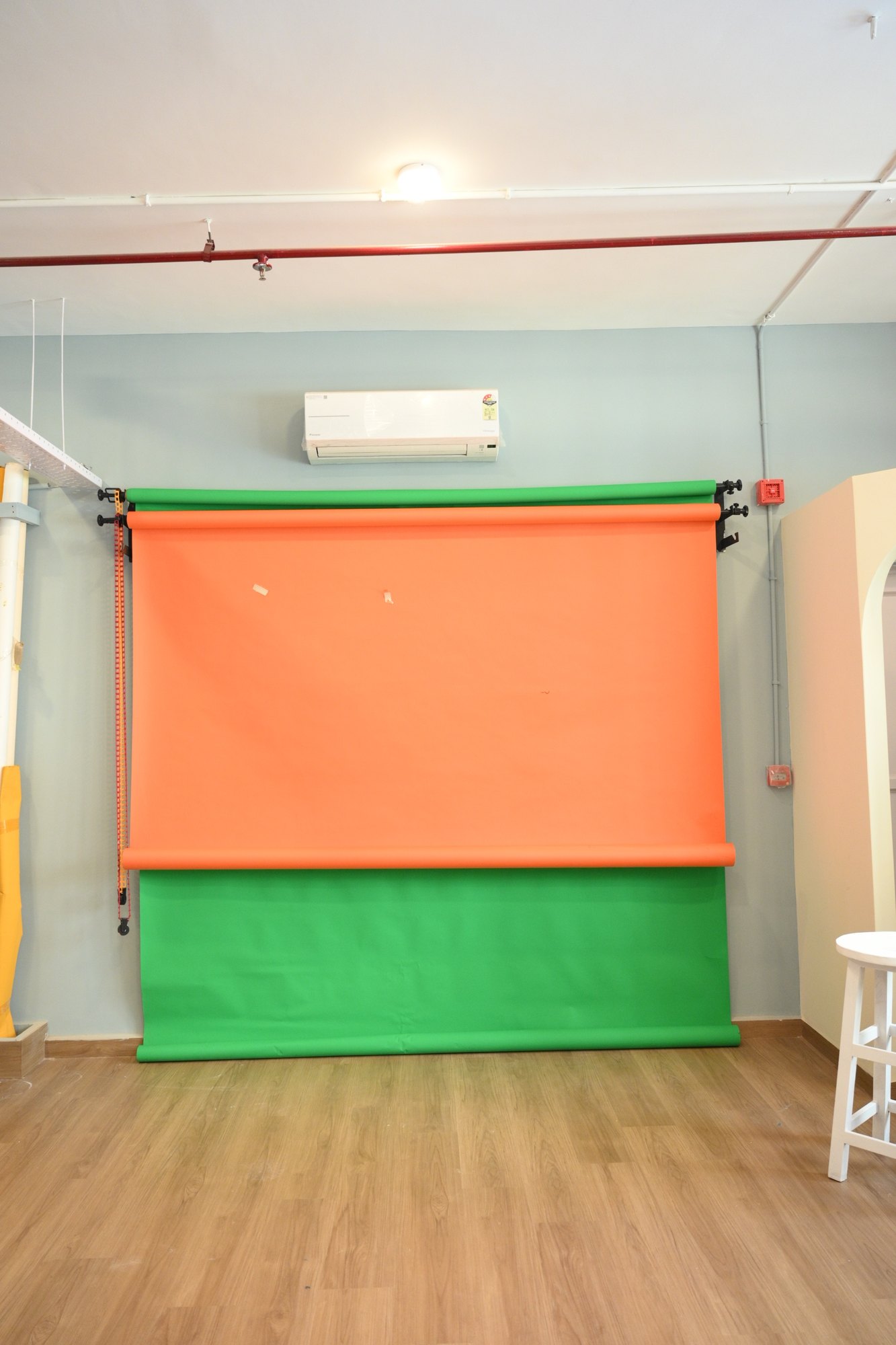
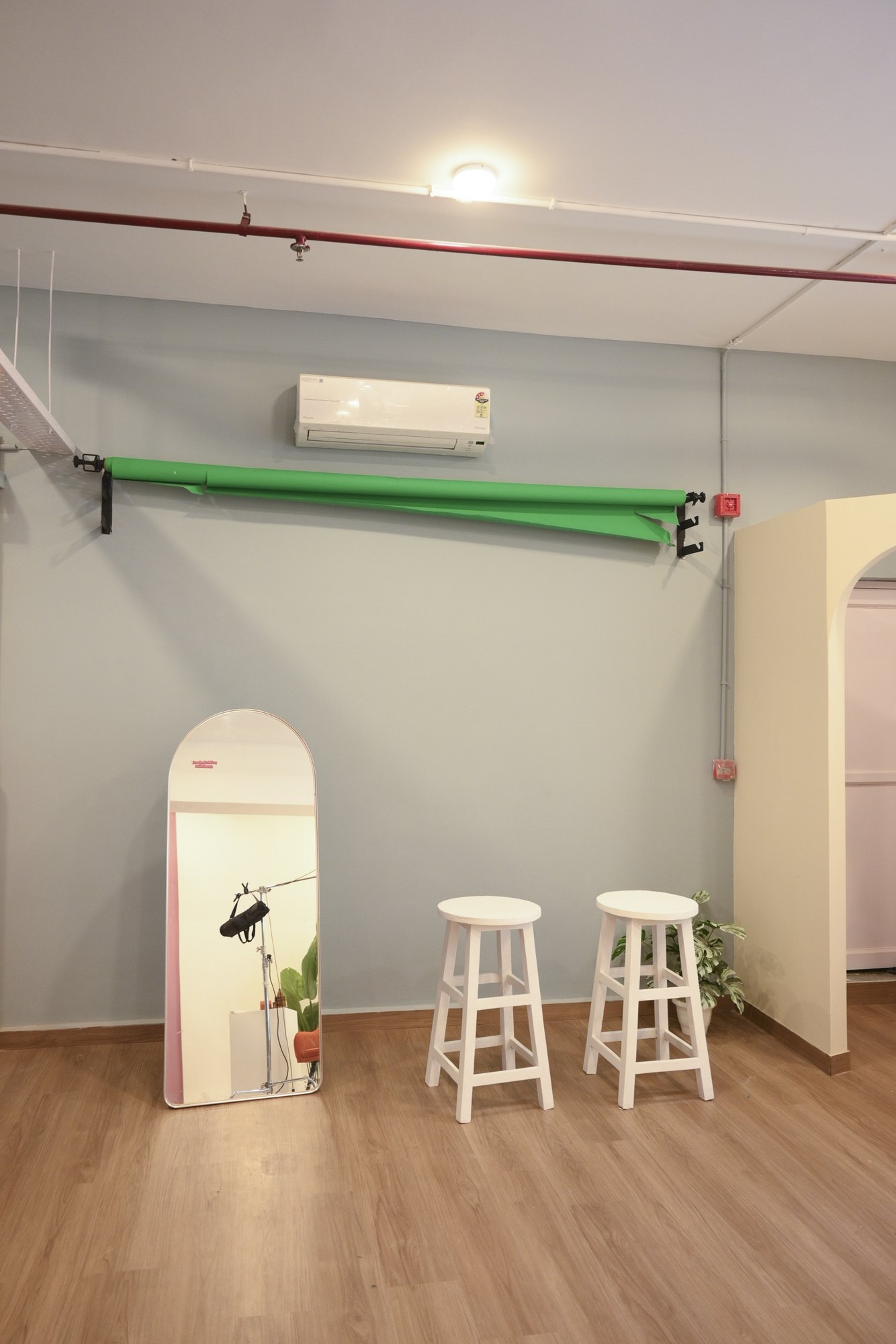
A paper roll drops from a support and curves onto the floor to create a temporary sweep. It provides a fast route to specific colours and is useful for portraits, tabletop work, products and tighter fashion frames. A marked section can be cut away and replaced from the roll.
Paper has a defined width and length. A wide group, energetic full-body pose or lateral camera move may reveal an edge. Shoes, furniture and repeated movement can crease, tear or dirty the floor section. Ask how much fresh paper the planned frame and activity will consume.
Choose by the widest composition
Start with the widest deliverable, not the first shot on the list. A head-and-shoulders portrait can fit on a modest paper width. A full-length lookbook, dance sequence, group portrait or product with a broad shadow needs more horizontal and floor coverage.
Mark the intended camera position, lens and subject zone. If the paper edges enter the frame, post-production may be possible, but it should be an intentional budget decision. A cyclorama usually gives more freedom for reframing and movement when the floor is part of the image.
Compare colour flexibility
Paper offers a physical colour with predictable texture and no need to create saturation entirely through light. It is efficient when a campaign needs a particular neutral or bold shade and the roll is available in the required width.
A white cyclorama can produce several tones through exposure and coloured lighting. That creates flexibility without swapping a roll, but accurate brand colour needs testing and spill control. Read our cyclorama lighting guide for white, grey and coloured approaches.
Compare floor appearance and shadows
On a cyclorama, the floor and wall are one continuous painted surface. Hard or soft shadows can extend naturally without crossing a material edge. This suits full-length fashion, larger products and video where contact with the floor must feel believable.
Paper can also create a clean sweep, but pressure marks, creases and footprints become visible under raking light. Placing a protective transparent sheet changes reflections and may create an edge. Test footwear, props and shadow direction before deciding.
Compare movement and durability
A built cyc is better suited to walking, turning and repeated blocking, provided the studio’s floor rules are followed. Heavy cases, metal feet and dirty shoes can still damage it, so protection remains essential.
Paper is most reliable when people stay within a defined zone and floor activity is limited. Fast movement, chairs dragged across the sweep or repeated product resets can shorten its usable life. Include paper consumption and replacement time in the production estimate.
Compare lighting behaviour
Both surfaces need even light when the brief demands a uniform background. A wider cyc may require more background coverage. Paper makes the colour change physical, while a white cyc can be changed through exposure or RGB and gelled fixtures.
Glossy, metallic and transparent subjects reflect the entire environment. The background decision must work with flags, reflection cards and camera angle, not only the desired colour. Shoot a test frame with the actual product whenever possible.
Compare speed between several looks
Installed paper rolls can make colour changes fast when the support system is ready and the rolls are wide enough. Each change still requires a clean drop, safe floor curve, fresh marks and a lighting check.
A cyclorama avoids material changes but may need meaningful relighting to move from white to grey or colour. If the shot list includes both, group similar background states together. Do not alternate between white and low-key setups for every product.
When a hybrid plan works best
A production can use the cyc for full-length, movement and video, then switch to paper for tighter coloured portraits or products. This preserves the strengths of each surface. Keep the camera, lighting and set-change schedule realistic rather than treating the backdrop swap as instant.
For a campaign day, photograph clean e-commerce and cut-out frames first, then move into coloured editorial variations. For talent, finish all looks requiring the same floor and lighting before changing the surface.
Make the decision with six questions
- Will feet, floor contact or a wide shadow appear?
- How far will talent, camera or products move?
- What is the widest composition and delivery crop?
- Is an exact physical background colour required?
- How much reset, cleaning or paper consumption is acceptable?
- Will stills and video share the same setup?
See the available surfaces in the Sooper Studios gallery, understand the wider studio layout and explore production support. If you share the widest frame, movement and colour reference through the contact page, the team can recommend a suitable surface without overselling either option.
Frequently asked questions
Is seamless paper suitable for full-length photography?
Yes, when the roll is wide enough and the subject movement is controlled. Confirm that the floor sweep and edges stay outside the widest frame.
Does a cyclorama always have to appear white?
No. Exposure, distance and coloured lighting can make a white cyclorama appear grey, darker or coloured without repainting it.
Which background is faster for changing colours?
An installed paper system can be faster for physical colour changes. A cyclorama can change through lighting, but each new look still needs testing.
Which option is better for video?
A cyclorama often suits wider movement and floor-visible shots. Paper can work well for locked or tighter frames when its width and durability are sufficient.