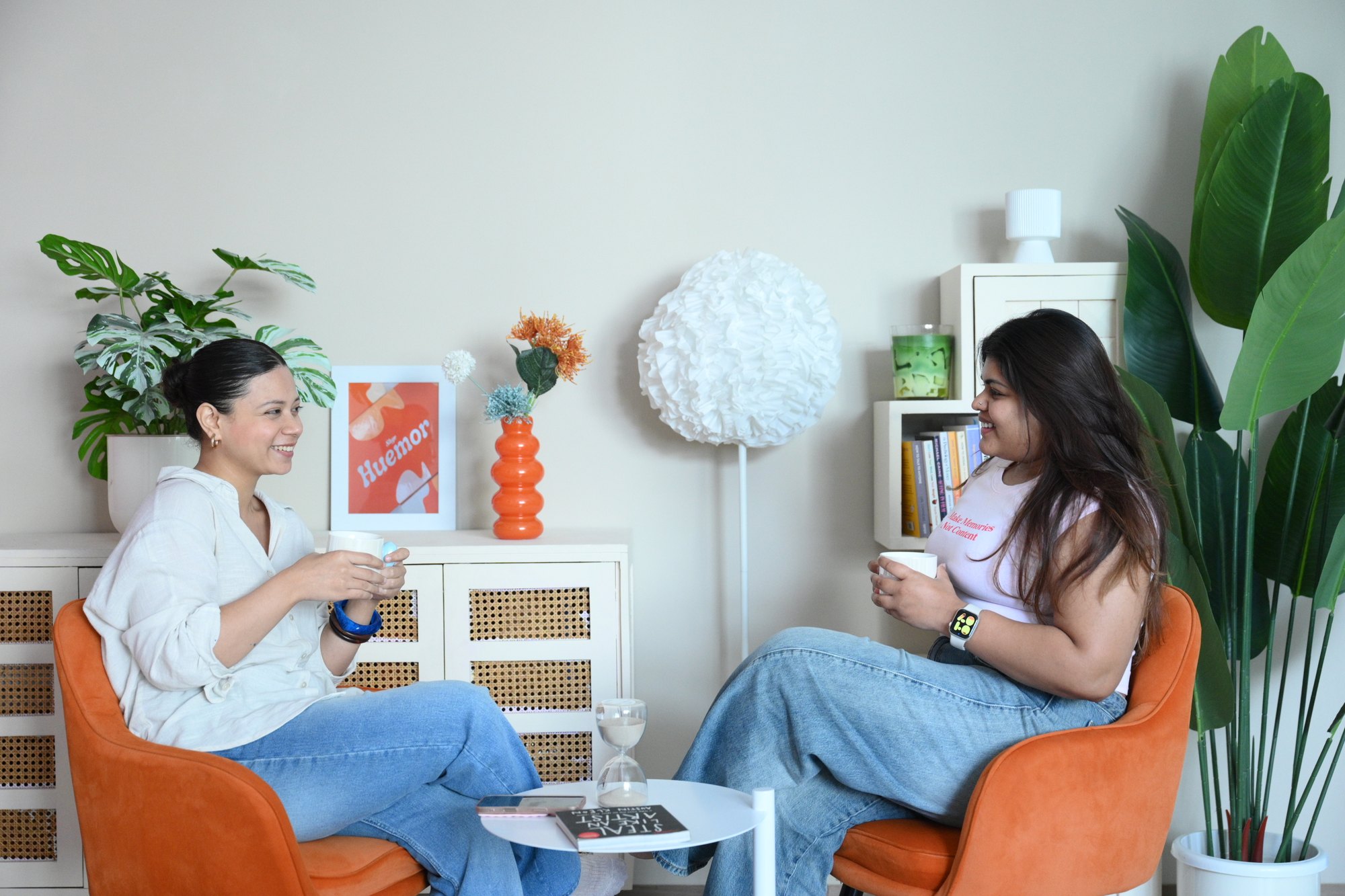
A video production studio in Noida can be useful for far more than a single talking-head recording. Brands use controlled spaces for founder interviews, customer stories, product demonstrations, educational series, recruitment films and campaign content. The booking works best when the studio is selected around the deliverables, not a generic list of cameras and lights.
This checklist is for brands, startups and agency teams comparing production options in Noida. It focuses on the questions that affect shoot-day efficiency, edit quality and the usefulness of the final assets across websites, presentations, YouTube, LinkedIn and social platforms.
Explain what the video must achieve
Start the enquiry with the business use and audience. A founder film for investors needs a different tone and approval process from a product tutorial or a batch of social clips. Share the number of final videos, expected durations, platforms, aspect ratios, languages and publishing date.
Include any secondary outputs. If you need a full interview, six vertical excerpts, clean audio, still frames and a silent event loop, say so before the quote. These requirements influence camera coverage, microphone choice, framing, lighting and edit time. A clear brand video shot list makes the conversation faster.
Ask what the booking actually includes
“Studio with equipment” can describe very different offers. Request an itemised scope covering space, crew, cameras, lenses, lighting, sound, teleprompter, monitors, data handling, editing and exports. Confirm whether the quoted time includes load-in, set preparation, makeup, sound checks and pack-down.
Do not assume every visible chair, plant or decorative object is permanently available. Share reference frames and ask which furniture, backgrounds and props are current, which can be rearranged and what must be sourced separately. Finished examples in the gallery show possible outcomes rather than a promise that every element is included in every booking.
Match the set to the format
An interview needs a comfortable eyeline, controllable background and enough depth between subject and wall. A product demo needs a suitable work surface, clean power access and camera positions for hands, details and the presenter. An educational series may need a teleprompter, repeatable marks and a set that can remain consistent across several episodes.
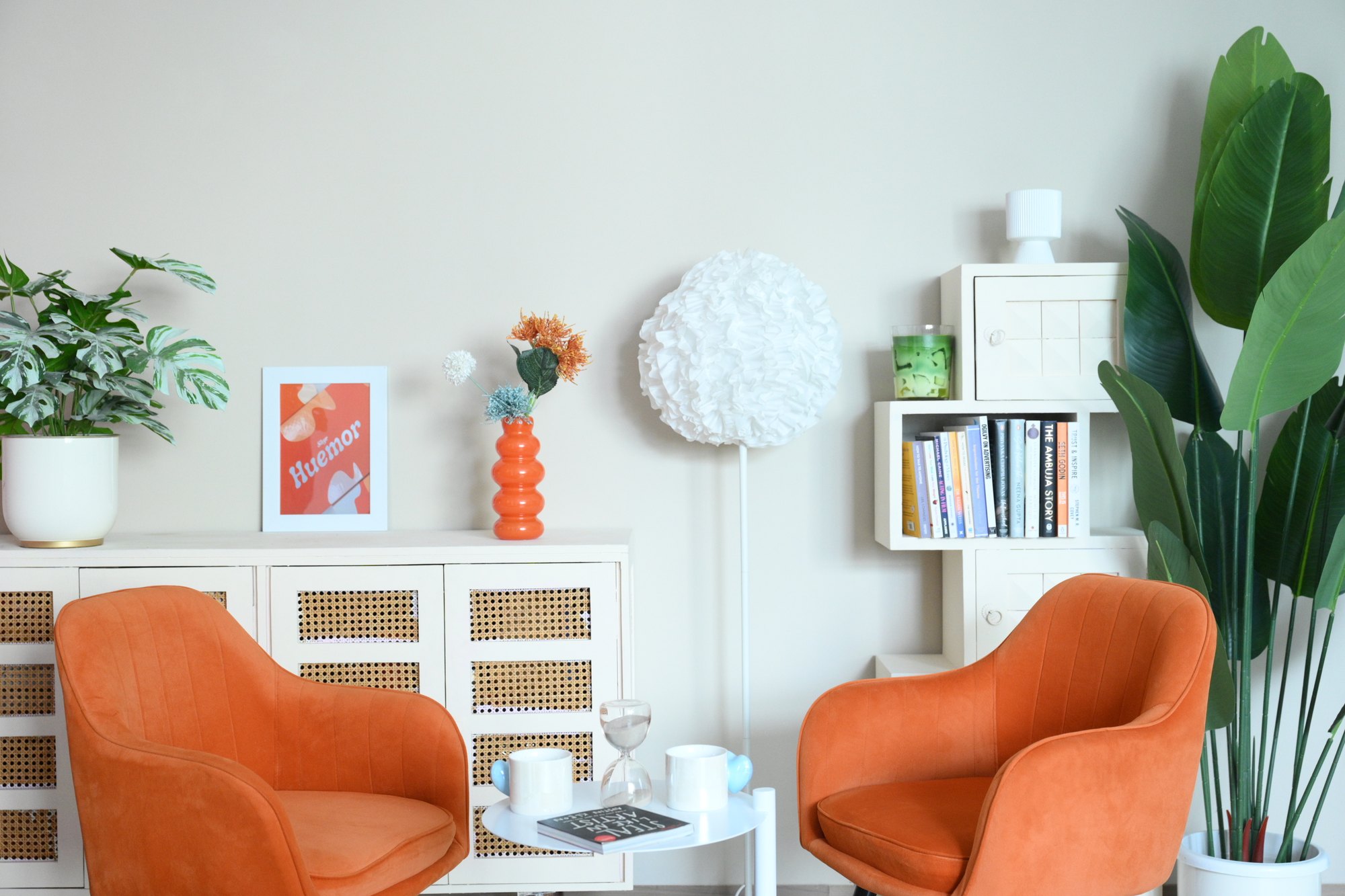
Check whether the space supports both landscape and vertical framing without revealing unwanted edges. If several looks are required, ask how long each reset will take. A simple colour and furniture change may be quick; a fully rebuilt set affects the schedule and crew requirement.
Verify interview audio and camera coverage
For interviews, ask how many speakers can be recorded on separate audio tracks and who monitors sound throughout. Check how the room handles reflections, air-conditioning and external noise. A short voice test should happen before the main answers begin.
Decide whether the edit needs one camera, two matched angles or multi-person coverage. A second angle can help remove pauses and create tighter social clips, but it is valuable only when framing, colour and eyelines are planned. For a conversation-led series, also review the dedicated video podcast studio checklist.
Plan product demonstrations before shoot day
Send product dimensions, materials and actions in advance. Reflective, transparent, very small or screen-based products may need specific lenses, flags, diffusion or monitor capture. Confirm who supplies charged units, adapters, replacement packaging and consumables.
Break the demonstration into setup, action, detail and result. Decide which steps need a presenter, hands-only coverage or voice-over. If the claim is technical, have the product owner approve the wording and physical sequence before the camera rolls.
Confirm the people and approval workflow
List everyone attending: speakers, client reviewers, agency representatives, stylist, makeup artist and product specialist. Ask how many people the studio can hold without crowding the shooting floor. Identify a single final approver so conflicting feedback does not delay each setup.
Speakers should receive the purpose, key points, wardrobe guidance and arrival time in advance. If using a teleprompter, send the final script early enough to format and rehearse it. If using talking points, prepare concise prompts rather than asking the subject to invent the structure under lights.
Build a realistic Noida production schedule
Separate arrival from camera-ready time. Include security entry, unloading, makeup, set dressing, mic fitting and technical checks. Teams coming from Delhi, Gurgaon, Faridabad or Ghaziabad should account for weekday traffic and send products or wardrobe with a named owner.
Group the day by set, speaker and wardrobe. Capture mandatory long-form footage first, then close coverage, vertical versions and optional creative shots. Keep a pickup window before the set is dismantled. The studio page provides a useful starting point for space and location context.
Define post-production and revisions
Ask what happens after recording. Confirm whether the handover includes synchronised camera files, clean audio, project files, selects, a first cut or finished masters. Specify captions, graphics, logo animation, music licensing, colour finishing and sound mixing.
Record the number of review rounds and who consolidates feedback. Decide how revisions will be marked—time-coded comments are clearer than separate messages from several reviewers. Confirm final naming, resolution, aspect ratios and delivery dates. Broader creative and editing support is outlined under our services.
Check backups and data responsibility
Ask how cards are copied and verified, how many storage copies exist during the project and when camera media may be cleared. Bring an agreed drive if raw files are part of the handover. Large multi-camera recordings can require more capacity than a general office drive provides.
Clarify who retains files after delivery and for how long. Long-term archiving should be agreed separately rather than assumed. Sensitive interviews or unreleased products may also require restricted access and a clear approval process.
Send a complete booking enquiry
A useful enquiry includes:
- video purpose, audience and publishing date;
- number of speakers, products and final videos;
- reference frames and preferred background style;
- landscape, vertical and square deliverables;
- crew, teleprompter, makeup and styling requirements;
- editing, captions, graphics and revision needs;
- preferred dates and total people attending;
- raw-file or finished-master handover requirements.
If you are planning interviews, demonstrations or a brand film, share this information through the contact page. The reply can focus on fit, schedule and a transparent scope; you do not need to arrive with every production decision already made.
Frequently asked questions
What can brands record in a video production studio in Noida?
Common formats include founder and expert interviews, testimonials, product demonstrations, educational videos, recruitment content, social campaigns and controlled sections of larger brand films. The right setup depends on sound, camera coverage and deliverables.
How long should a studio video booking be?
Estimate from the number of speakers, sets, products and final formats. Include load-in, preparation, sound checks, approvals, resets and pack-down. A tightly planned half-day can outperform a vague full day, but rushing several complex setups creates avoidable gaps.
Should editing be booked with the studio shoot?
It is often useful to scope both together because the edit plan determines camera coverage and audio recording. You can still request raw files, but define synchronisation, naming, storage and handover rather than assuming they are included.
Can a studio shoot provide both horizontal videos and Reels?
Yes, when both formats are planned. Some scenes can be framed safely for multiple crops, while interviews, two-person scenes and product actions may need dedicated vertical takes or alternate camera positions.