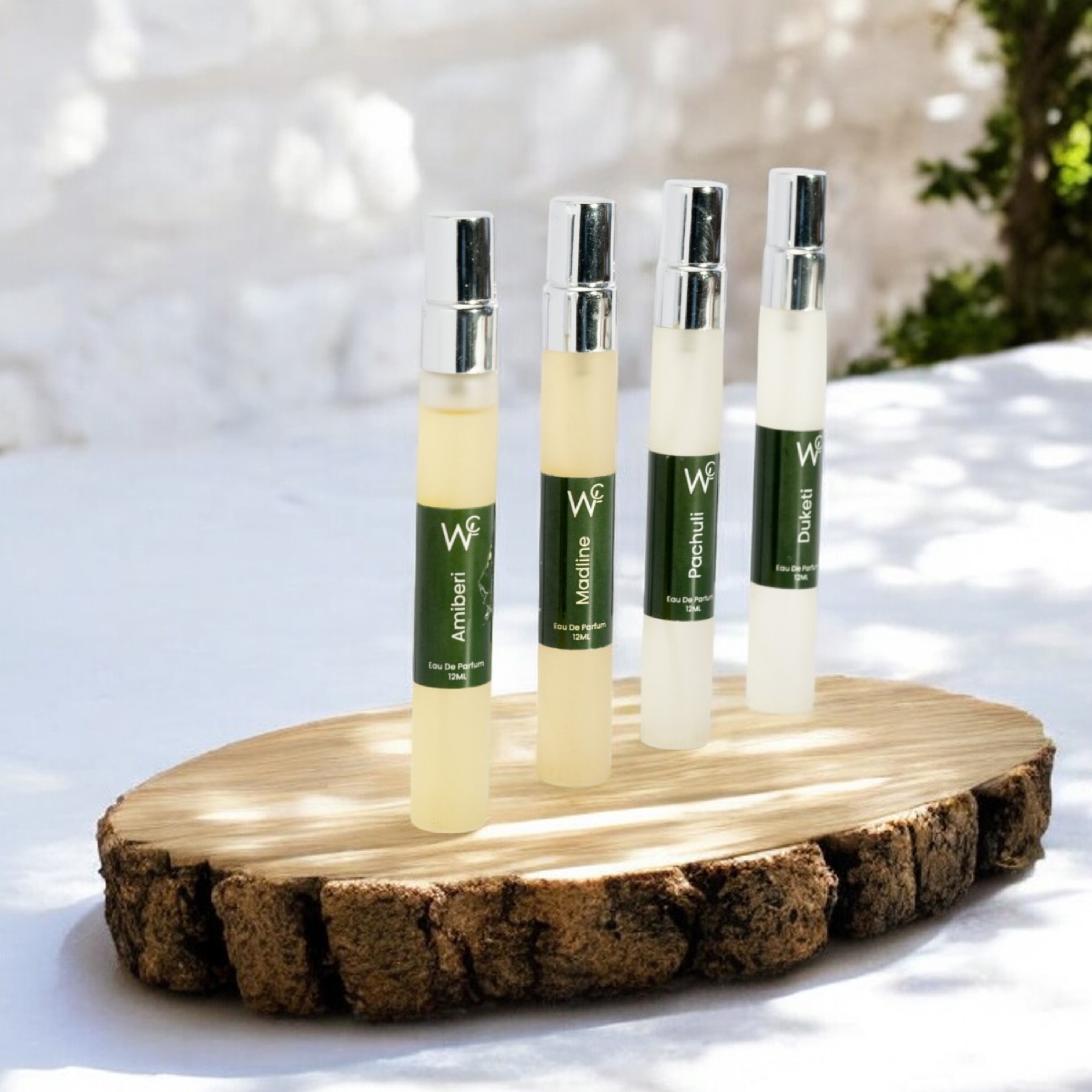
Choosing between a product photography studio and an on-location shoot is not simply a choice between a plain background and a “real” environment. It changes the lighting control, crew movement, styling options, travel, permissions, schedule risk and number of usable deliverables you can produce.
The right answer depends on what the image must prove. A controlled catalogue needs repeatability. A lifestyle campaign may need the credibility of a real kitchen, office or outdoor setting. Many Delhi NCR productions work best as a planned combination of both.
What a studio gives you
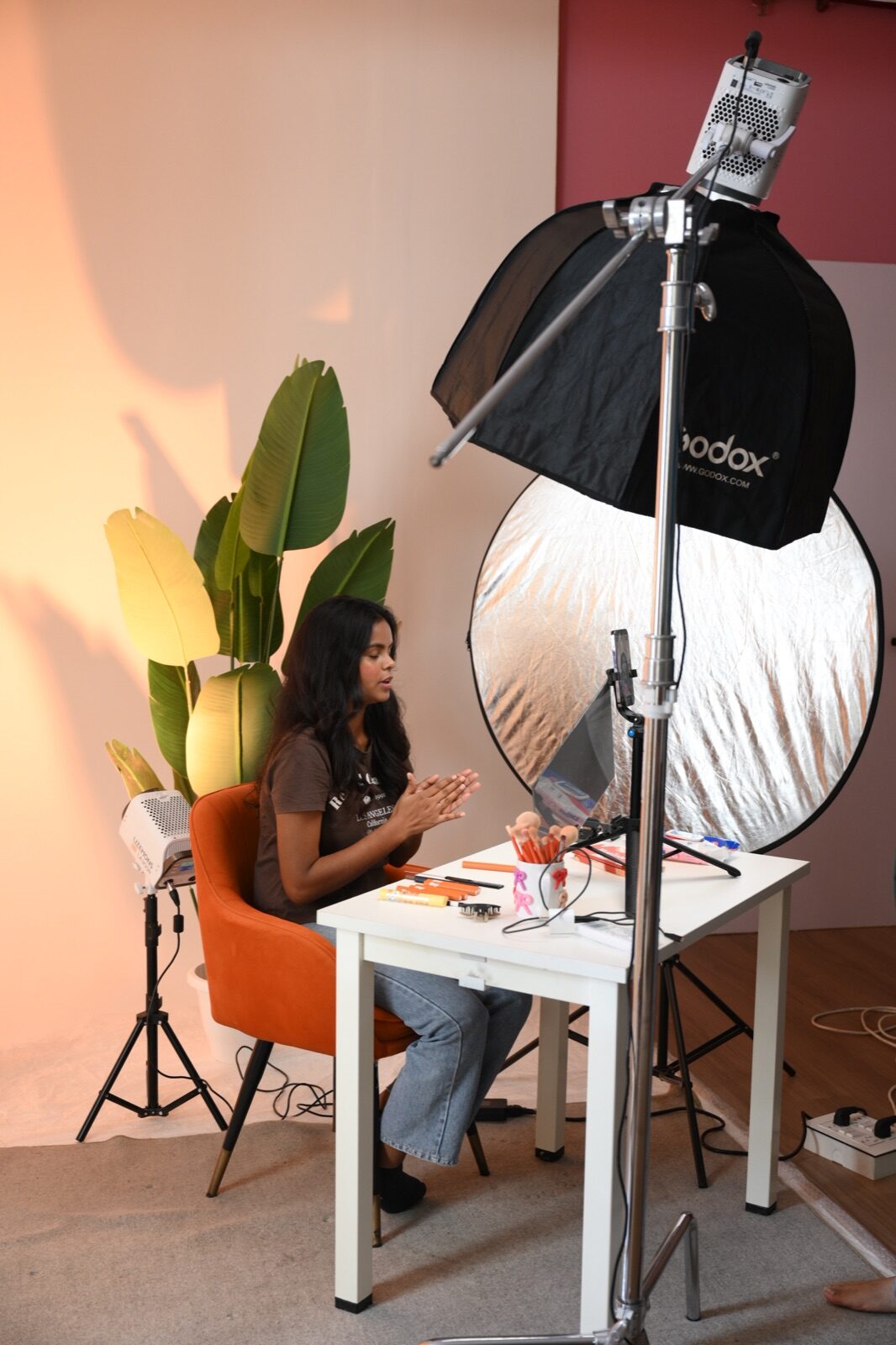
A studio is designed to make variables repeatable. Lighting can remain consistent while products, colour variants or models change. The crew can leave stands, flags and surfaces in position. Power, changing space and review areas are available without negotiating around a working office or home.
This is valuable when the deliverables include:
- White-background e-commerce and catalogue images
- Accurate colour across many SKUs
- Reflective, transparent or very small products
- Full-length model frames on a seamless background
- Stop-motion, tabletop video or repeatable product demonstrations
- Several set and lighting variations in one day
A flexible studio production floor also lets the team move from clean packshots to a coloured wall or styled lifestyle corner without relocating the whole production.
What a real location gives you
A location can provide scale, architecture, natural behaviour and details that would be expensive to recreate. Furniture looks believable in a real interior. Travel products gain meaning outdoors. Kitchenware may benefit from a working kitchen, and a B2B product may need to be shown inside the facility where it is actually used.
Location is often stronger when the environment is part of the product promise. The viewer should be able to imagine the item in their own life rather than only inspect its features.
Compare the two across the decisions that matter
Lighting and colour consistency
In a studio, the photographer can block ambient light and build a repeatable lighting pattern. This makes it easier to match packaging colours and keep a catalogue consistent over many frames.
At a location, daylight changes by the hour and practical lights may mix different colour temperatures. This can be beautiful, but it requires time, grip and lighting control. If the brief demands identical product colour across 40 SKUs, relying on a window is risky.
Background authenticity
A real location contains natural imperfections and visual depth. In a studio, those details must be selected and placed intentionally. A studio set may feel more designed, which can be an advantage for a campaign with a distinctive brand world.
Browse the available walls, furniture and props before assuming that “studio” means only white. A cyclorama can produce clean cut-outs, while beige, blush, teal or grey surfaces can carry a lifestyle mood.
Time and setup changes
Studios are usually faster for lighting changes because the equipment, power and working space are already planned. Locations can consume time in loading, parking, access, protecting surfaces, moving furniture and restoring the space.
However, a location may save time if the product is large, fixed or difficult to transport. Photographing equipment at a factory can be more efficient than attempting to recreate its working context elsewhere.
Sound and video requirements
If the production also includes interviews, reels or product demonstrations, check noise. Offices have conversations, doorbells and air-conditioning; homes have traffic, appliances and neighbours. Outdoor sound can change without warning.
A studio offers more control, but it is still important to confirm acoustic needs and the planned recording setup. Sound requirements should be included before booking, not discovered after the cameras are ready.
Permissions and privacy
Location photography may require property permission, building approvals, parking arrangements or releases for visible artwork and people. A public-looking space is not automatically free to use commercially.
In a studio, access can be more contained. This helps when the product is unreleased, the campaign is confidential or the client wants to limit distractions during review.
Budget
Do not compare only the studio rental with the location fee. Compare the full production:
- Travel and vehicle costs
- Load-in and pack-down time
- Location permissions and deposits
- Extra lights, power and grip
- Weather or noise contingencies
- Set dressing and restoration
- Number of finished setups achievable
A free location can become expensive if it slows the crew or forces a reshoot. A studio can also be wasteful if the brief only needs one simple contextual scene already available at the client’s premises.
When a studio is usually the stronger choice
Choose a studio when consistency, repeatability and control are central to the job. It is usually the safer choice for marketplaces, product launches with many variants, reflective objects, beauty textures, jewellery, apparel catalogues and work that combines stills with tightly framed video.
It is also useful when teams are coming from different parts of Delhi NCR and need one predictable base with changing, client review and production support.
When location is usually the stronger choice
Choose a location when the environment is difficult to fake and essential to the story. Large furniture, hospitality, architecture, industrial products and real workplace use are common examples.
Scout the location with the intended camera direction in mind. Check access, ceiling height, power, natural-light direction, noise, weather cover, changing space and where the client can review frames.
The hybrid approach: controlled assets plus real-world context
Many brands need both. Photograph the catalogue, packaging details and adaptable hero assets in the studio. Then capture a smaller set of contextual images at a location. The controlled images support e-commerce and design layouts; the location frames add emotion and use-case credibility.
You can also build a compact lifestyle environment in the studio for better control. A table, surface, furniture, plant and directional light may create enough context without the logistical weight of a full location day.
A quick decision checklist
- Does the location itself communicate a product benefit?
- How exact must product colour and reflection control be?
- How many SKUs or variants must match?
- Is the product practical and safe to transport?
- Will the shoot include dialogue or synchronised sound?
- How many distinct setups are required?
- Does the production need confidentiality?
- What is the complete cost after travel, access and contingency?
Frequently asked questions
Is studio photography always better for e-commerce?
For a consistent main image and variant set, usually yes. Supporting lifestyle frames can still be photographed at a location or on a built studio set, depending on the product story.
Can natural light be used in a studio?
It can, but professional production often controls or supplements it so the look does not change unexpectedly. The decision should follow the desired image, not an assumption that natural light is automatically softer or more authentic.
Can one day include studio and location photography?
Yes, if the locations are close and the plan is deliberately limited. In Delhi NCR, traffic and load-in time can quickly remove the apparent saving, so a split-day schedule needs realistic buffers.
If the choice is still unclear, share the deliverables rather than choosing a venue first. Sooper Creatives can assess the shot list, product size, crew and visual references, then recommend a practical mix of photography and production support. Start with the brief; the venue decision should follow from it.