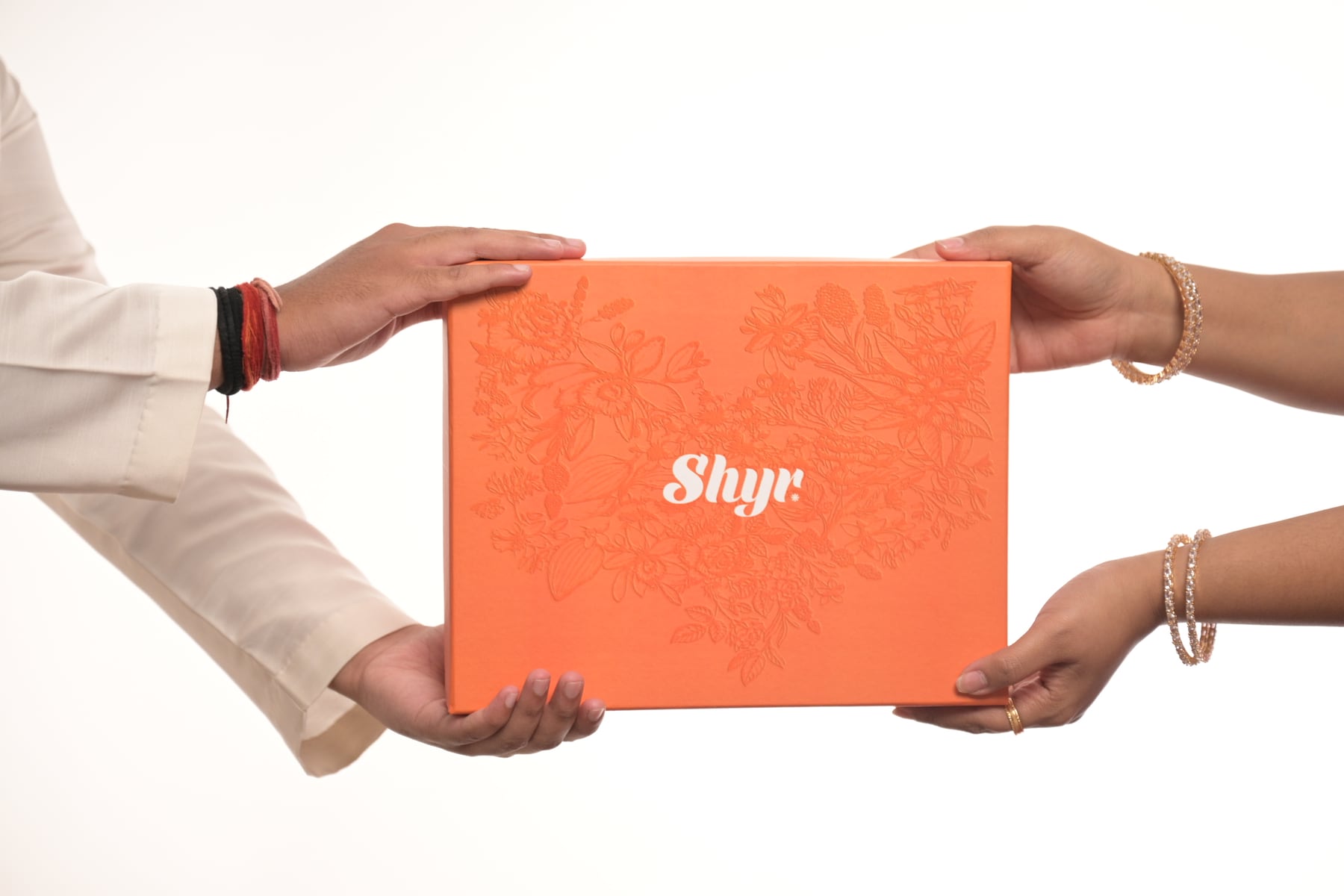
A strong brand campaign shoot is not created by arriving with a moodboard and hoping the right frames appear. It is a sequence of decisions about the audience, message, product, talent, set, deliverables and approvals. This guide explains how to plan a brand campaign shoot in Delhi NCR before booking the studio.
The aim is a production-ready brief: clear enough for an accurate scope and flexible enough for the creative team to improve the idea. It is useful for D2C founders, marketing teams and agencies coordinating a shoot in Noida from Delhi, Gurugram, Faridabad or Ghaziabad.
Define the campaign problem first
Write a short statement covering the product or service, target customer, message and desired response. “Launch our festive gift box to urban siblings who want an easy premium present” is more useful than “make it festive”. It guides casting, expressions, props, product handling and the balance between emotion and packaging clarity.
Add the launch date, buying journey and primary channels. A marketplace launch requires more product explanation; a brand film may need story beats; paid social needs immediate, legible compositions.
Turn channels into deliverables
List the exact outputs required for the website, marketplaces, paid advertisements, organic social, PR, retail and partner decks. For each, record aspect ratio, quantity, copy-safe area and delivery format. Our guide to campaign photography deliverables provides a role-based matrix for this work.
Separate still photographs, short motion clips and finished edits. If Reels or a brand film are included, identify scripts, hooks, sound and movement in a dedicated motion list. This helps the producer assign enough crew and prevents video from becoming an afterthought.
Prepare the creative brief and reference board
A useful reference board explains why each example is relevant: palette, shadow quality, camera distance, gesture, set density, typography space or editing pace. Avoid mixing references that contradict each other without stating which one has priority.
Include brand colours, packaging files, product claims, logo rules and anything the imagery must avoid. If the campaign continues an existing visual system, share previous high-performing and underperforming examples with context.
Decide studio, set and prop requirements
Confirm whether the campaign needs a clean cyclorama, coloured wall, tabletop set, lifestyle corner or a constructed environment. Measure large products and note overhead, power, rigging or sound needs. If several backgrounds are planned, rank them and estimate reset time.
Do not assume a reference prop, furniture piece or surface is automatically included. Create a sourcing list with owner, dimensions, colour, arrival date and backup. Finished work in the studio gallery can help start the visual conversation, while the actual campaign set should be confirmed for the booking.
Lock product and packaging readiness
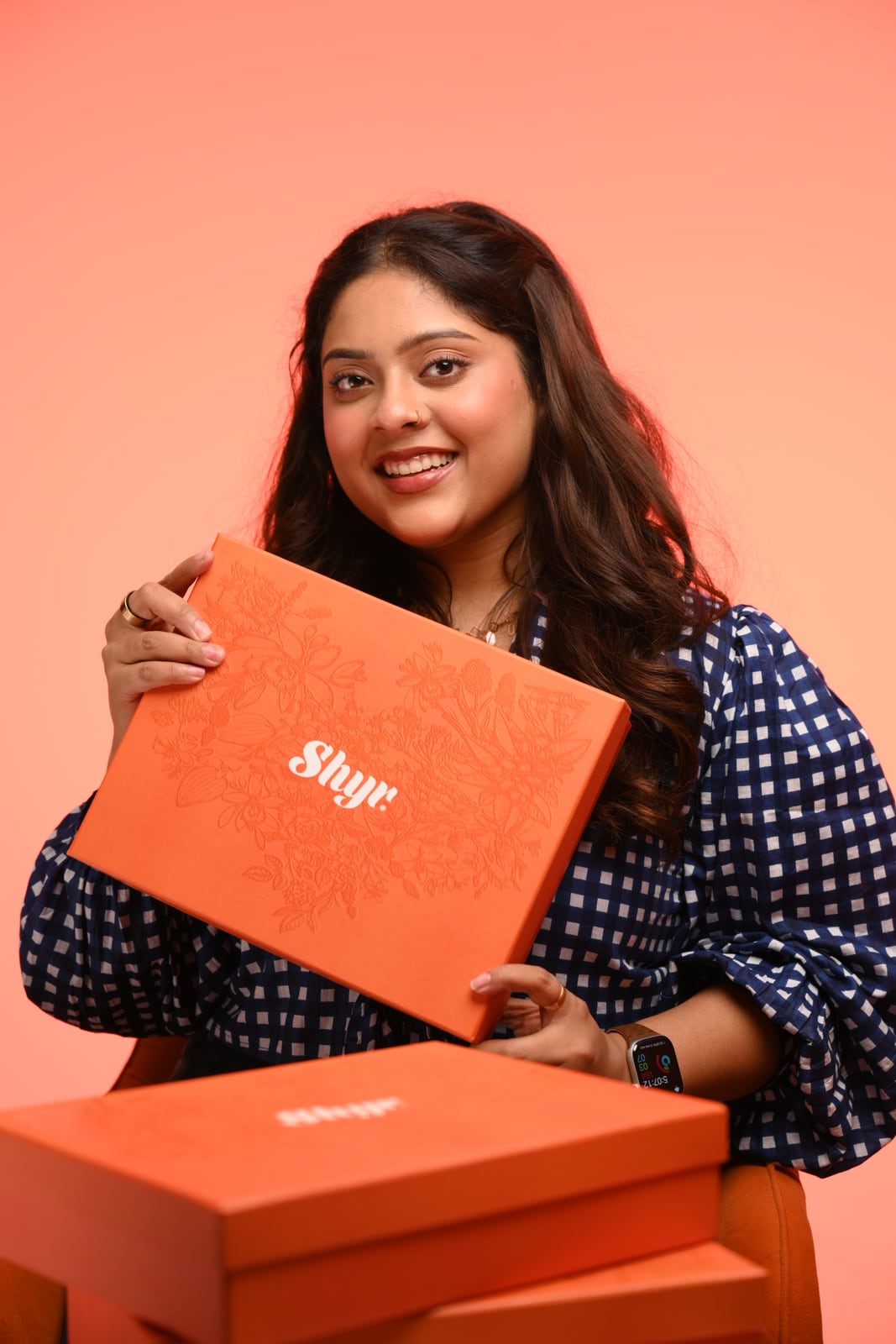
Send camera-ready products, not ordinary warehouse stock. Check labels, seals, reflective surfaces, dents, colour variation and expiry or batch details. Bring duplicates when the product may be opened, poured, handled or damaged during styling.
Label variants and create a check-in list. One person should confirm which SKU appears in each setup. For gifting or bundled products, photograph the intended arrangement before packing so the stylist can rebuild it accurately.
Cast talent for the story and usage
Define age range, presentation, performance, hand visibility and relationship between people. A sibling campaign needs believable interaction, not simply two independent portraits. Share wardrobe direction, sizing, grooming and any product-handling actions before selection.
Confirm fees, usage term, territory, channels, exclusivity and travel. If hands, voice or short video are required, include them in the casting brief. Talent should also know call time, expected duration and what they will perform.
Create a production schedule with approval gates
Group the shot list by lighting, set, wardrobe, talent and product state. Schedule the launch-critical hero setup while the team is fresh, then supporting variations. Include time for hair and makeup, test frames, client review, meals, resets and pack-down.
Set approval gates: lighting and composition test, final styling, hero select and completion check before the set changes. Name one authorised approver. A remote stakeholder should have a tested review method and a response window, not a vague promise to check messages.
Plan the Delhi NCR movement
Share the exact studio location, parking or loading instructions and local contact. Schedule products and set materials to arrive before talent where possible. Allow realistic travel time from South Delhi, Gurgaon, Faridabad or Ghaziabad, especially around peak traffic or monsoon disruption.
Record who carries high-value products and where they will be stored. If an agency team is attending, confirm seating, monitoring and who needs to be physically present for approvals.
Confirm post-production before the shoot
Agree on the select process, final quantity, retouching level, rounds of feedback, colour reference, naming, master resolution and delivery date. Product colour and packaging text may require special checks. State whether typography and design adaptation are included or whether clean images will go to an internal designer.
A quick pre-production call should close open questions and produce a final call sheet. When the brief, assets and decision-makers are ready, the studio day can focus on performance and detail rather than administration.
What to send when requesting a campaign quote
- Campaign objective, audience, launch date and primary channels.
- Product list, dimensions, variants and handling requirements.
- Reference board plus required sets, props and wardrobe.
- Talent and crew requirements.
- Deliverable matrix for stills and motion.
- Usage requirements, review process and final deadline.
See Sooper Studios for the production space and our services for wider creative support. When these basics are ready, send the campaign brief for a practical conversation about timing, set needs and scope.
Frequently asked questions
How early should a brand campaign shoot be booked?
Book early enough for concept development, casting, products, props and approvals. A simple studio brief may need less lead time than a built set or multi-talent festive campaign.
Can one campaign shoot include photography and video?
Yes, but both need defined deliverables, crew and schedule. Shared sets can create efficiency when lighting, sound and performance requirements are planned together.
What should a brand bring to the studio?
Bring approved products and duplicates, packaging references, wardrobe, campaign-specific props, brand files and an authorised decision-maker. The final list should be confirmed during pre-production.
Does Sooper Studios provide every prop shown in past work?
No. Gallery images show finished outcomes from specific productions. Props, surfaces, furniture and constructed elements should be discussed and sourced for each campaign.