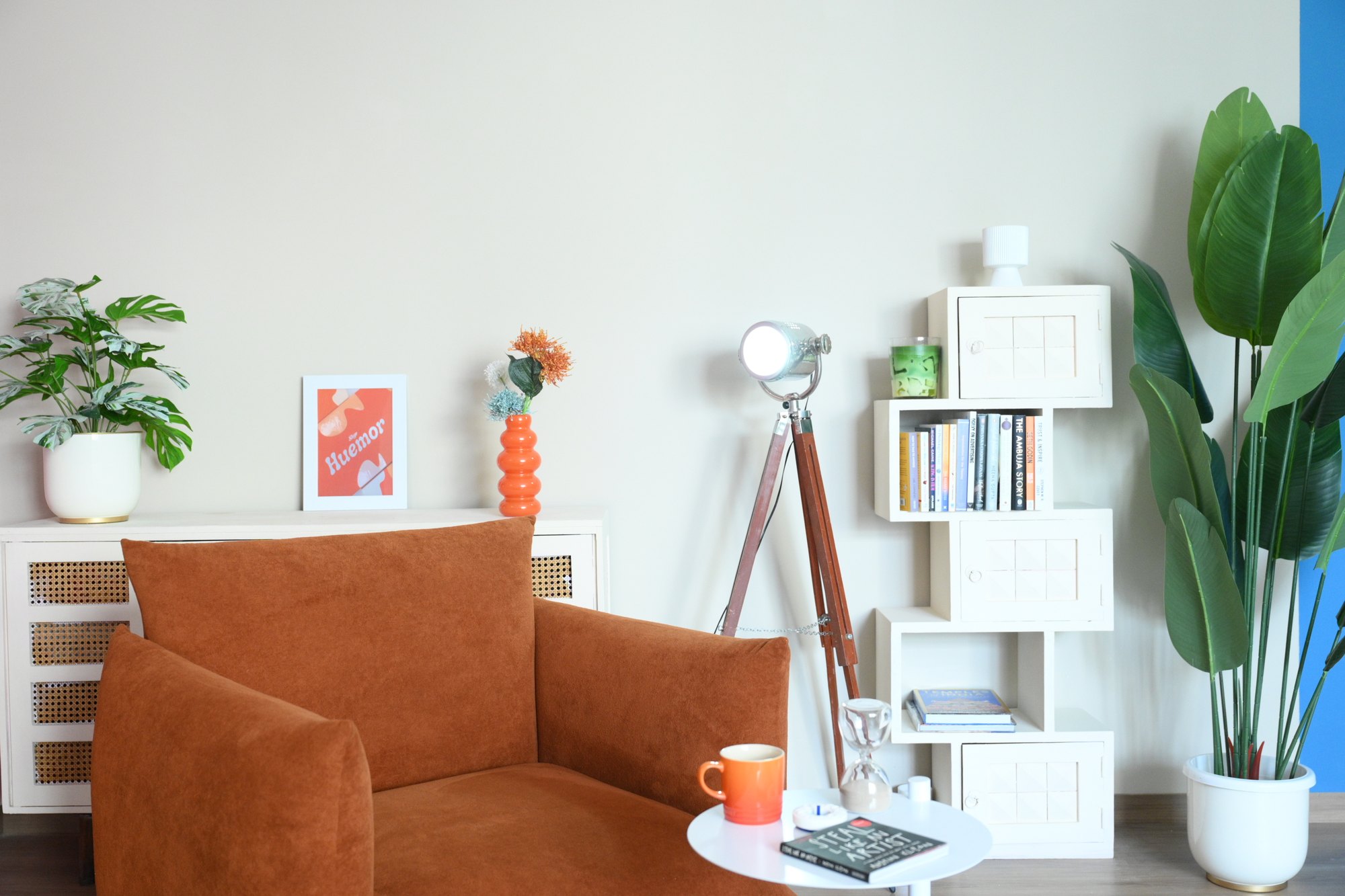
A half day vs full day studio booking decision should be based on the production plan, not only the rental price. Four hours can be enough for a prepared founder portrait, a focused catalogue batch or a single podcast episode. The same slot can disappear quickly when products arrive late, hair and makeup runs over, the first lighting setup needs approval or the brand wants stills and reels from several backgrounds.
For teams coming from Delhi, Noida, Gurugram, Faridabad or Ghaziabad, the practical question is: how much usable camera time will remain after load-in, preparation, lighting, reviews and pack-down? This guide helps brands, agencies and creators choose a realistic studio duration without paying for idle hours or forcing a good shoot into an impossible schedule.
What half-day and full-day usually mean
Many studios describe a half day as roughly four hours and a full day as roughly eight hours, but the exact clock, breaks and overtime rules vary. Ask whether the booking starts at crew entry, equipment load-in, talent call time or the first camera frame. Also confirm whether setup and pack-down sit inside the booked hours.
A studio-only booking is different from a managed production day. If you are also hiring a photographer, assistants, models, hair and makeup, stylist, videographer or sound recordist, their call times and minimums may not match the room rental. Request one written schedule and one clear scope before comparing totals. The recent guide to requesting a studio shoot quote in Noida explains the information needed for an accurate estimate.
Calculate usable shooting time
Do not treat four booked hours as four hours of capture. Build a simple time budget:
- Entry, product check and equipment load-in
- Lighting, camera and tethering setup
- Hair, makeup, wardrobe or product preparation
- Test frames and client approval
- Background, prop, wardrobe and lighting changes
- Meal or comfort breaks where needed
- Final selects review, data checks and pack-down
If these non-shooting tasks use ninety minutes, a four-hour slot leaves about two and a half hours for finished frames. That may be comfortable for one controlled setup, but risky for multiple looks or a mixed photo-video brief. Add a buffer for approvals and small delays instead of planning every minute at maximum speed.
When a half-day booking works well
A half day is most efficient when the scope is narrow, the team is prepared and the visual system stays consistent. Good candidates include:
- A founder or speaker portrait with one person and two closely related looks
- A small set of clean product photographs on one background
- A single interview or podcast episode with a pre-agreed setup
- Several short talking-head reels using one lighting state
- Pick-up shots for an existing campaign
- A model test or portfolio update with limited wardrobe changes
The half-day plan becomes stronger when products are cleaned and labelled before arrival, wardrobe is steamed, scripts are approved and the decision-maker can review frames on set. If you are booking product work, use the product photography studio checklist to remove avoidable setup delays.
When a full day is the safer choice
A full day is usually more realistic when the production has multiple moving parts. Choose it when the brief includes several sets, talent changes, complex styling, sound, both photography and video, or a large number of products. It also creates room for creative refinement after the essential shots are secure.
A fashion or beauty shoot with hair and makeup, three wardrobe looks and both full-length and close-up frames needs transition time. A product campaign may require white-background listings, styled hero photographs, hands-in-frame demonstrations and vertical videos. A branded podcast may include guest preparation, audio checks, multiple camera angles and promotional clips. Relevant service pages for product photography, fashion and beauty shoots and the video podcast studio show how different formats change the plan.
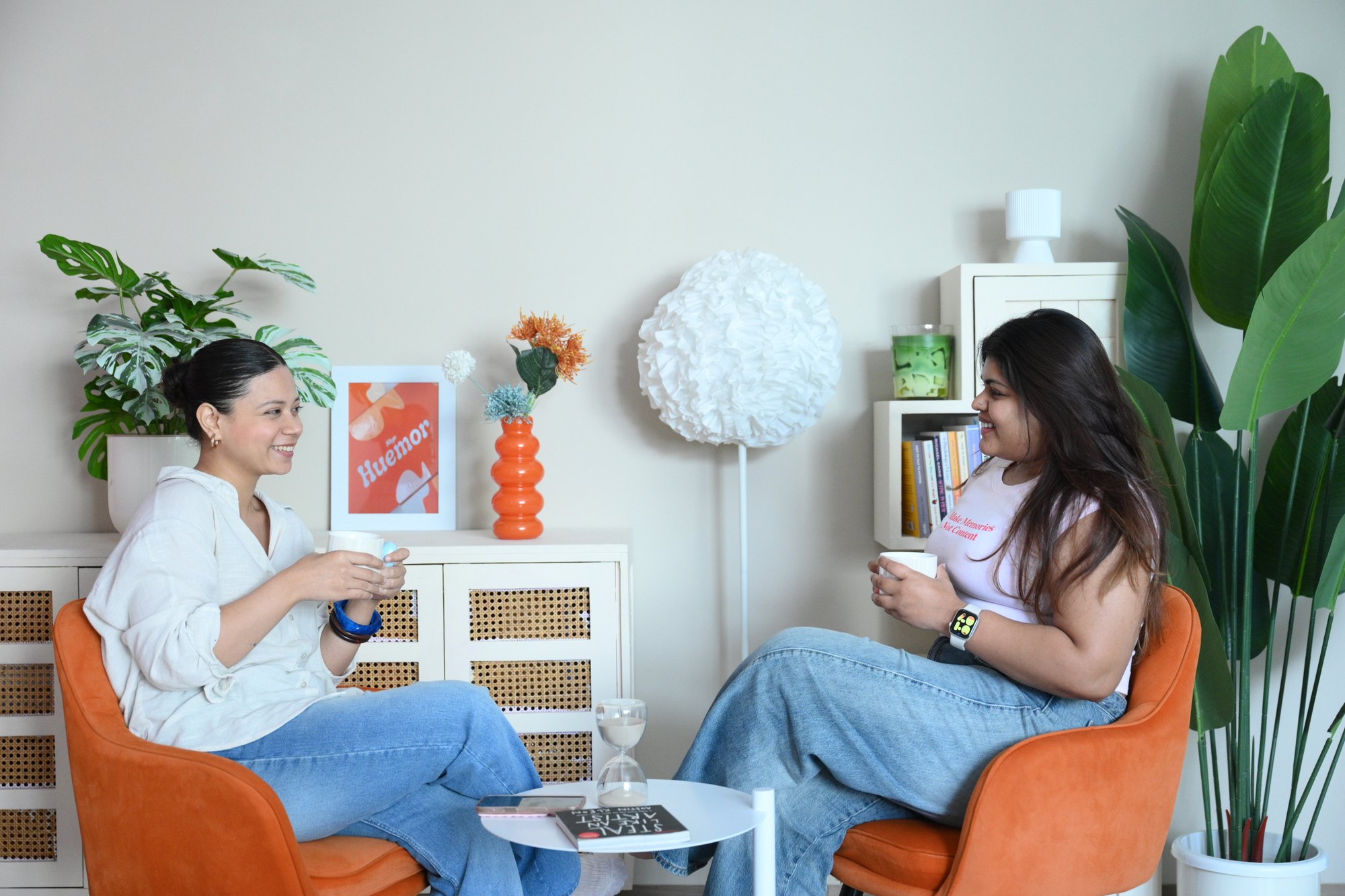
Use setups and deliverables as the deciding numbers
Count major setups rather than simply counting products or outfits. A major setup changes the background, lighting direction, furniture, camera position or sound arrangement. Small variations—such as changing a product colour or adjusting a crop—are usually faster, while a new visual world can require a complete reset.
Then map every setup to deliverables. If the same scene must produce a website banner, 4:5 social post, square marketplace image and 9:16 reel, the camera and action need to accommodate each format. The campaign deliverables matrix is useful for this calculation. A realistic plan may be one or two tightly controlled setups in a half day, or several setups and format variations across a full day; the exact number depends on complexity.
Compare the complete cost, not only the studio rate
A shorter booking is not automatically cheaper if it creates overtime, rushed approvals or a second production day. Compare studio time together with crew minimums, talent and makeup calls, equipment, prop sourcing, transport, editing and reshoot risk. A full day can be better value when it lets one crew create a complete asset library. A half day can be better value when the brief is genuinely compact and no one is waiting through unnecessary downtime.
Ask for the overtime rate and the process for extending the booking if the next slot is free. Also confirm cancellation terms, weekend or evening conditions and what equipment or support is included. Teams travelling across Delhi NCR should allow for traffic, parking, loading and talent arrival rather than setting the first approved frame at the same time as the crew call.
A simple booking decision checklist
A half day is a sensible choice when you can answer yes to most of these questions:
- Is there one primary objective and a fixed shot list?
- Are products, scripts, wardrobe and references approved?
- Can the work stay within one or two related setups?
- Is the team small, punctual and clear on approvals?
- Can the essential deliverables be completed with a useful buffer?
Choose a full day if the answer is no, or if the shoot combines formats, talent, multiple visual worlds or extensive client review. Browse the studio gallery to identify likely set changes, then review the Sooper Studios space in Sector 62, Noida before deciding. References show possibilities; confirm the exact furniture, props, backgrounds, equipment and production support required for your date.
Build the schedule before you book
Write a call sheet with crew entry, talent call, first-light target, setup changes, meal break, final selects and pack-down. Put the must-have shots first. Keep optional frames in a separate list so the producer can protect the business-critical deliverables if time becomes tight.
For a practical recommendation, share the shot list, crew size, products or looks, preferred dates and final formats. You can review Sooper Creatives production services, book a planning conversation or send the brief. The aim is not to sell more hours; it is to reserve enough time for the work to be useful.
Frequently asked questions
Is a half-day studio booking always four hours?
Not always. Four hours is common, but studios define sessions differently. Confirm the start and end time, whether setup and pack-down are included, and when overtime begins.
Does hair and makeup count within studio time?
Usually the studio clock starts when the team enters the space, so preparation may use booked time. Ask whether early access or a separate preparation area can be arranged and priced.
Can a half day include both photos and reels?
Yes, when both formats share the same set, talent and lighting plan. A complex photo-video brief with several concepts, sound or set changes is more likely to need a full day.
What happens if a half-day shoot runs over?
The studio and crew may charge overtime, and an extension may be impossible if another booking follows. Agree on overtime terms and a priority shot list before the day.