Choosing between studio and location video production is not a question of which option looks more professional. Both can produce excellent work. The useful choice depends on what the audience needs to believe, how much control the production requires and where the real operational risk sits.
For a Delhi NCR brand, the decision also affects travel, permissions, sound, weather and how many setups can be completed in one day. This comparison helps teams plan interviews, product demonstrations, campaign content and brand films without treating the location as an afterthought.
Choose the environment that supports the message
A real office, factory, store or customer site can provide immediate context. If the story depends on a process, community or physical scale, seeing the genuine environment may be more persuasive than recreating it. Location footage can show how people work, how a product is used and how a service fits into everyday life.
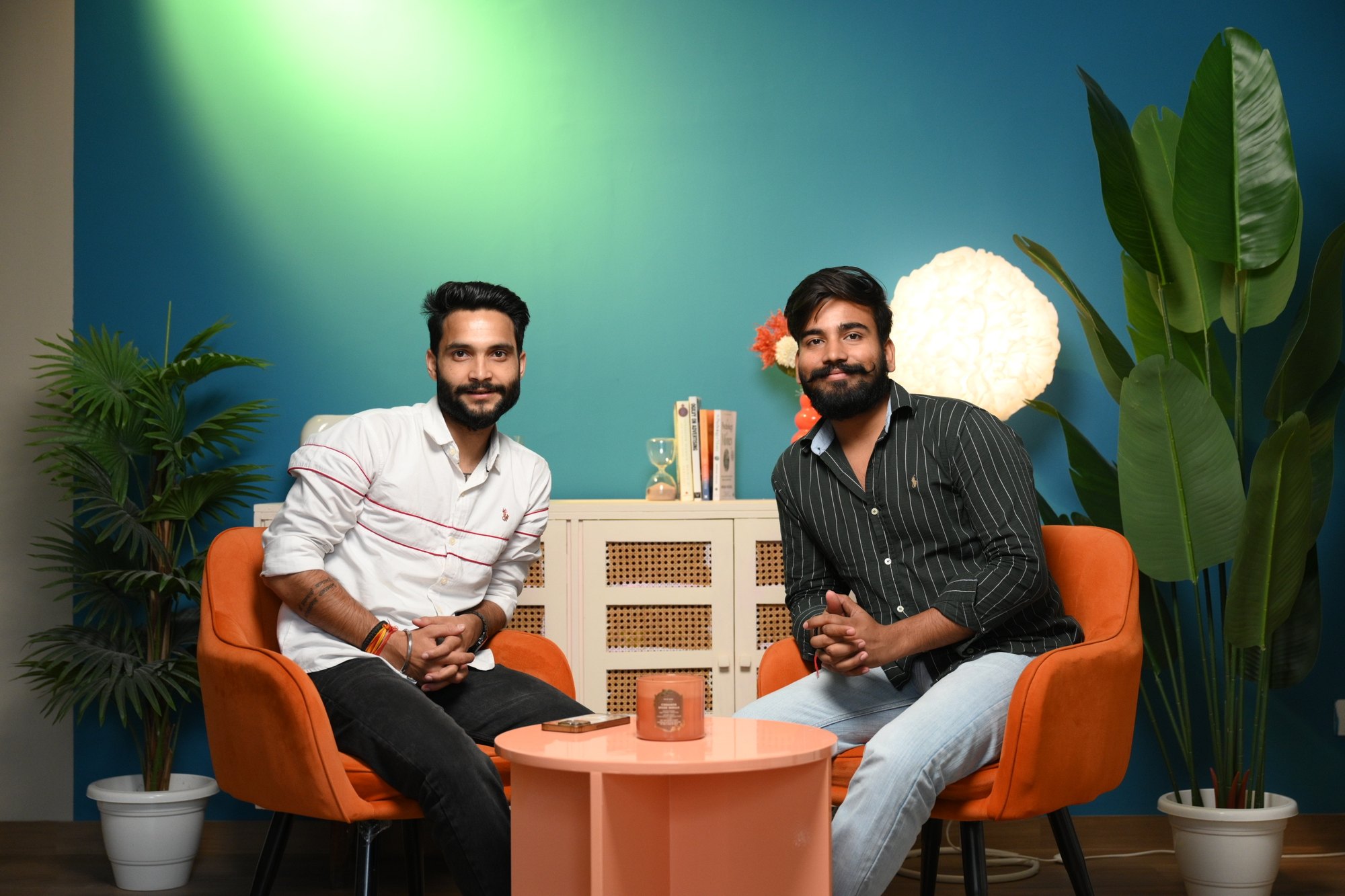
A studio is stronger when the frame needs to be built deliberately. Background colour, furniture, practical lights and props can be arranged around the brand rather than accepted as fixed. Controlled environments are especially useful for founder interviews, demonstrations, repeatable educational content and campaign footage that needs several aspect ratios.
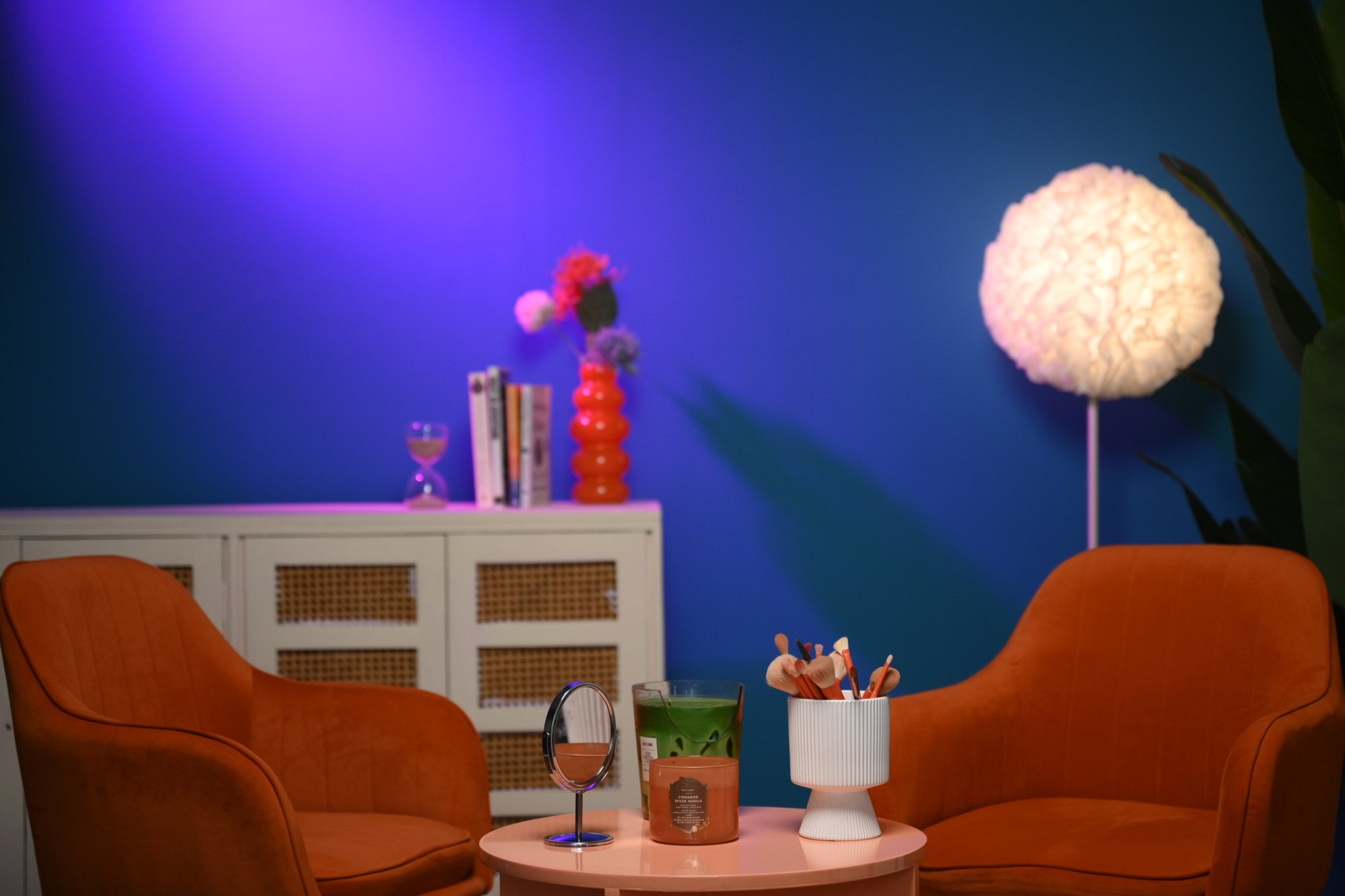
Look at the flexible set outcomes in the Sooper Studios gallery, but treat them as examples of what was created for specific shoots. Visible furniture or props should not be assumed to be permanently included; confirm the current production plan before booking.
Compare sound before comparing aesthetics
Uncontrolled sound can make an attractive location expensive in post-production. Visit at the time you intend to shoot and listen for traffic, aircraft, construction, lifts, air-conditioning, public announcements and nearby conversations. Ask whether machinery or office activity can pause. Check whether the team is allowed to place microphones and blankets where needed.
A studio does not remove the need for a sound check, but it makes noise sources and reflections easier to manage. For interviews and demonstrations with spoken explanation, consistent clean audio often matters more than an elaborate background. If the content is conversational and multi-camera, the video podcast studio booking guide covers more specialised audio and guest questions.
Measure lighting control and continuity
Natural light can be beautiful and authentic, but it changes with time, weather and window direction. A cloud passing during an interview can alter exposure and colour. Mixed daylight and office fixtures can create difficult skin tones. On location, the crew may need to block, diffuse or supplement existing light, which adds equipment and setup time.
In a studio, windows and fixtures can be controlled or excluded, and a tested lighting arrangement can be repeated across speakers or episodes. This helps when several founders, employees or product variants must look consistent. Coloured walls and practical lamps can still create warmth without giving up technical control.
Calculate the real time cost
A free company location is not automatically cheaper. Include the time required for permission, recce, security access, parking, power planning, furniture movement, noise control and restoring the space. If the crew must wait for a conference room or production line, paid shoot time continues.
Studio cost is more visible, but setup zones, power, controlled backgrounds and working space may let the crew complete more frames in a day. Group shots by set and wardrobe. For teams coming from Delhi, Gurgaon, Faridabad or Ghaziabad, compare total travel and loading time, not only the location fee.
Consider what cannot be recreated
Some footage belongs on location: a manufacturing process, retail customer journey, construction site, hospitality experience or genuine employee environment. Recreating these would reduce credibility or cost more than managing the real site. Capture them where they happen.
Other scenes benefit from abstraction. A product demonstration may need a clean surface, controlled reflections and repeatable camera movement. A founder story may need an uncluttered frame where the speaker remains the focus. A studio can suggest an office, living room or editorial environment without pretending it is the company’s actual workplace.
Plan for people and public control
Locations introduce consent and interruption issues. Identify everyone who might appear and secure releases where necessary. Avoid confidential screens, customer information, vehicle plates and third-party branding. Assign someone to manage foot traffic so the director is not negotiating access between takes.
A private studio reduces accidental appearances and gives nervous speakers more space to repeat answers. It also makes wardrobe, makeup and client monitoring easier to organise. Ask how many people the space can comfortably hold and where cases, catering and unused products will sit outside the frame.
Use a hybrid production when the story needs both
The strongest plan may combine a controlled interview with real-world B-roll. Record the core message in a quiet studio, then capture the office, customer environment or process on location. This protects audio and narrative continuity while retaining authentic context.
A hybrid schedule only works when the brand video shot list clearly separates essential location footage from shots that can be created anywhere. Decide whether both environments must be captured on one day or whether splitting them reduces travel and setup pressure.
Use a decision scorecard
Score each option from one to five against the factors that actually matter:
- authenticity and access to the real process;
- sound control and privacy;
- lighting consistency;
- number of required setups;
- space for crew, talent and equipment;
- permissions, weather and interruption risk;
- travel, loading and total production time;
- ability to repeat the setup later.
Weight the most important factors instead of simply adding the numbers. A testimonial may give sound and privacy twice the weight of visual variety. A factory film may give authenticity and process access the highest value.
Confirm the choice with a technical recce
Before committing, test the proposed framing, sound, power, access and schedule. For studio options, review the space information and ask what must be brought in for your particular set. For broader creative, production and editing requirements, see our services.
If the choice is still unclear, send the deliverable list, number of speakers and required real-world scenes through the contact page. A short feasibility discussion can reveal whether studio, location or a hybrid plan will protect the idea most efficiently.
Frequently asked questions
Is studio video production always more expensive than filming at an office?
No. Compare total production time, permissions, noise control, equipment movement and delays. An office may have no rental fee but still require more crew time and post-production repair, while a studio may allow several controlled setups in one booking.
When is location filming the better choice?
Use a real location when the physical environment, process, customers or scale are essential evidence in the story. Factories, stores, hospitality spaces and real service interactions are often difficult to recreate credibly.
Can one video use both studio and location footage?
Yes. A controlled interview can provide the narrative spine, while location B-roll demonstrates the real work. Plan matching wardrobe, story continuity, frame rates and colour treatment so the two environments edit together naturally.
What should a Delhi NCR location recce check?
Check sound at the planned time, natural-light direction, power, permissions, parking, lift and loading access, crew holding space, public movement, washrooms and the time required to restore the area after filming.