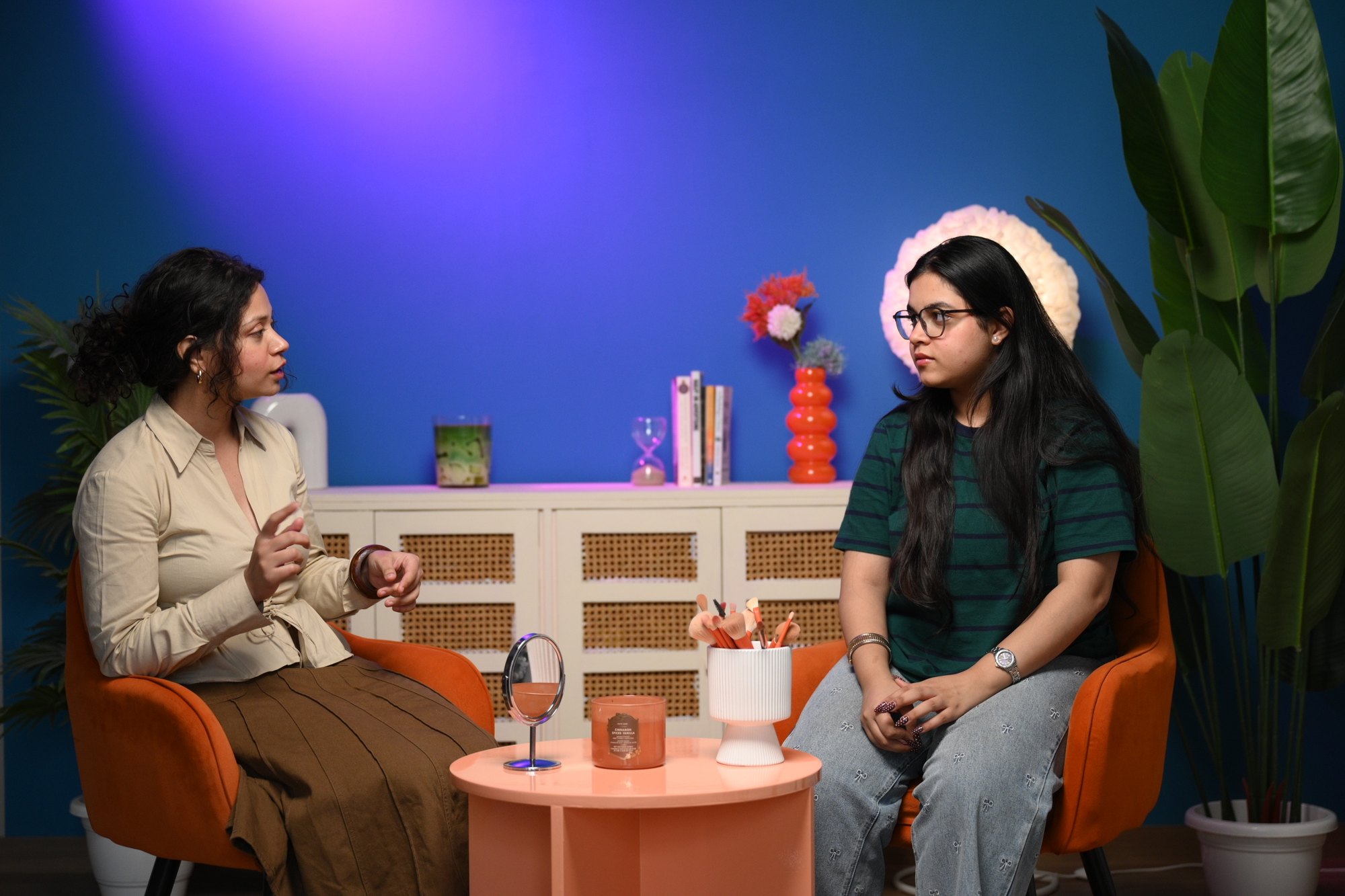
A brand video shot list should do more than remind a camera team to capture a wide shot, a close-up and some B-roll. It should connect every setup to a finished deliverable. When that connection is missing, a busy shoot day can still end with gaps: an interview has no visual cover, a product demo skips a crucial action, or the best footage cannot be cropped cleanly for a vertical edit.
This guide is for marketing teams, founders and agencies planning interviews, demonstrations, customer stories or brand films in Delhi NCR. Use it before you lock the location, crew and schedule. If the production will happen in a controlled space, you can also review the available environments at Sooper Studios and see finished set outcomes in the studio gallery.
Start with the finished deliverables
Write down what the shoot must produce before listing camera angles. A two-minute website film, three interview edits, six Reels and a silent exhibition loop do not share the same coverage requirements. For each deliverable, record its platform, aspect ratio, approximate duration, call to action and whether it needs dialogue, captions or music-led pacing.
Then give each planned shot a job. A founder walking through the workspace may establish place in a brand film, cover a sentence in an interview edit and provide a short vertical clip. A product close-up may explain a feature in a demonstration and become a six-second paid-social asset. When a shot serves no clear output, question whether it deserves shoot time.
Build the interview coverage first
Interviews often carry the story, so protect them before adding decorative footage. Note the speaker, topic, eyeline and preferred frame. A medium shot usually gives a comfortable primary edit. A tighter angle adds emotional emphasis and helps an editor remove pauses or combine answers. If only one camera is available, schedule a few clean listening or thinking moments after the interview rather than pretending they happened during another answer.
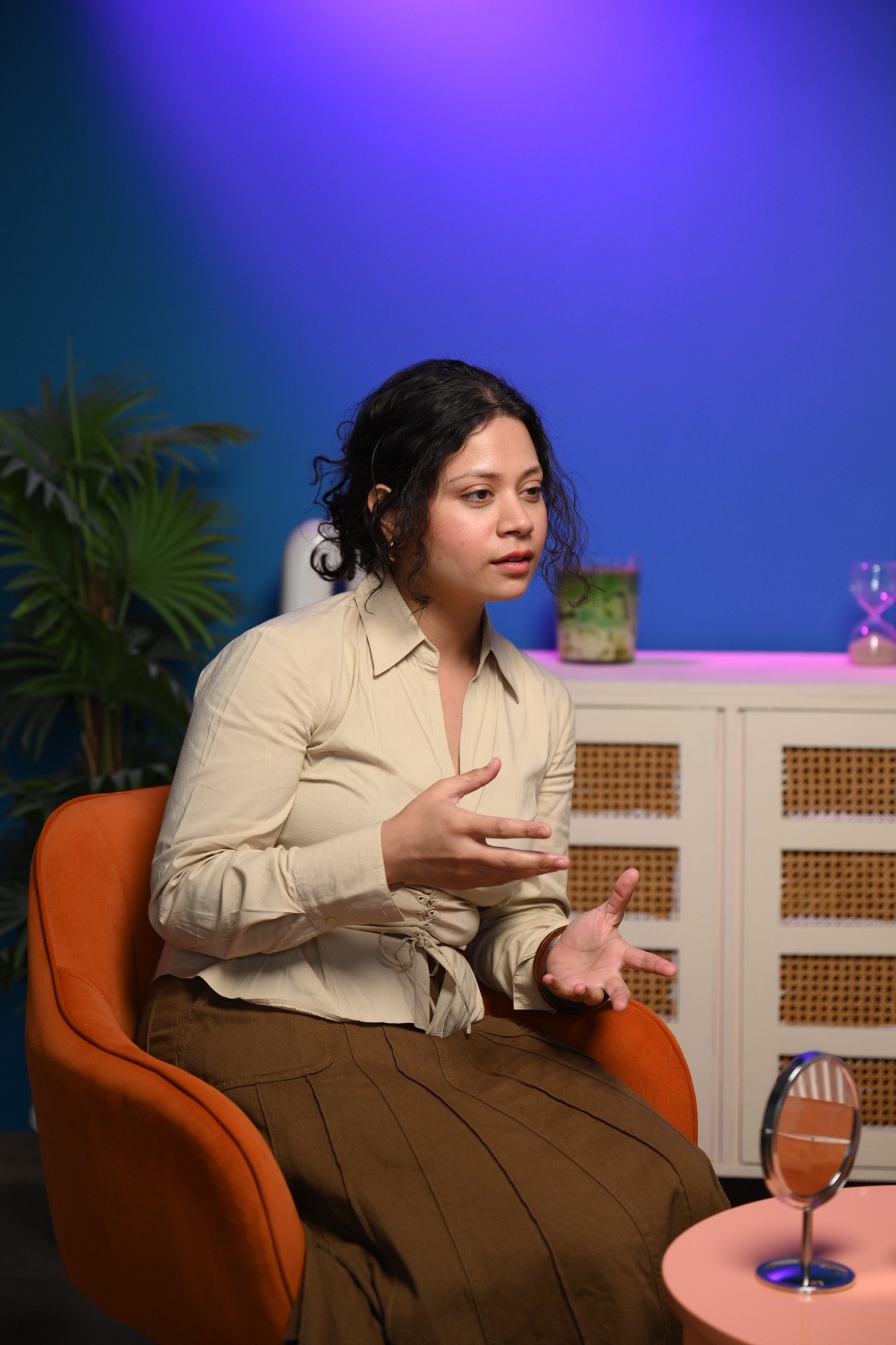
Plan the background as part of the frame. Remove distracting brand marks, reflective objects and moving people. Leave enough separation between subject and background for depth, while checking that practical lights or wall accents do not appear to grow out of the speaker’s head. Record ten seconds of quiet room tone and several seconds before and after every answer.
Turn each message into purposeful B-roll
B-roll is not a random list of hands typing, people smiling and doors opening. It should illustrate specific statements. If an interviewee describes careful quality checks, capture the real checking process. If the film promises an easy customer experience, show the steps that make it easy. Label each B-roll group with the sentence or section it can cover.
For every action, collect a useful sequence: an establishing frame, a medium view, a close detail and a clean end state. Let the action complete inside the frame. Editors struggle with clips that start after the hand has already moved or stop before the result appears. Repeat important actions at the same pace, and check continuity in screens, packaging, wardrobe and prop positions.
Plan product demonstrations as instructions
A demo shot list should follow the customer’s question, not the order in which the crew finds shots attractive. Begin with the product clearly identified. Show setup, the main action, a meaningful detail and the result. Record interface screens or indicator lights separately if they need to remain legible. Note any claims that require legal or product-team approval before filming them.
Bring duplicate units when possible. One can remain clean for hero frames while another handles repeated use. Prepare chargers, adapters, consumables and reset instructions. If the product has variants, decide whether every colour needs a full demonstration or whether shared action footage and separate variant beauty shots will be enough.
Add format and safe-crop instructions
A landscape master does not automatically become a good Reel. Mark which shots need dedicated 9:16 framing and which can be protected for several crops. Keep important faces, products and gestures inside the agreed safe area. For two-person scenes, capture individual frames as well as the wide so a vertical editor is not forced to squeeze both people into a narrow composition.
Also list technical continuity: resolution, frame rate, shutter approach, colour profile and sound source. Slow-motion inserts need enough light and an intentional frame rate. Dialogue needs separately monitored audio. These notes stop a shot list from becoming a collection of visually related but technically incompatible clips.
Schedule by setup rather than final edit order
The finished film may move between interview, demo and lifestyle scenes, but the shoot should group work by lighting, background, wardrobe and location. Finish all shots on one setup before rebuilding it. Within each block, capture mandatory coverage first, then useful alternates and finally experimental ideas.
Add realistic time for sound checks, product resets, wardrobe adjustments, travel and client review. A team travelling from Gurgaon, Faridabad or Ghaziabad to Noida should not discover at call time that a key product or spokesperson is arriving separately. Put ownership beside every item: who brings it, who approves it and when it must be ready.
Use a simple shot-list structure
A practical sheet can use one row per shot with these fields:
- deliverable and scene;
- shot number and priority;
- subject or action;
- framing and camera movement;
- dialogue or sound requirement;
- aspect ratio and safe-crop note;
- product, prop, wardrobe and location needs;
- approval owner and completion status.
Use three priority levels: essential, useful and optional. If the day slips, everyone knows what must survive. A producer should update the list as shots are completed and flag anything that needs a pickup before the set changes.
Plan the review and file handover
Agree whether the client will approve frames live, review a proxy edit or select from organised raw footage. Define file naming, audio sync, backup responsibilities and delivery dates before shoot day. If you need production and post-production support together, review the wider Sooper Creatives services.
A useful shot list is specific enough to prevent gaps but flexible enough to respond when a genuine moment appears. If you would like help turning a campaign brief into a realistic coverage plan, share the proposed outputs through the contact page. The first conversation can focus on deliverables and feasibility rather than a hard sell.
Frequently asked questions
How detailed should a brand video shot list be?
It should identify the subject, action, framing, priority, sound, format and intended deliverable for every important shot. It does not need to prescribe every spontaneous gesture, but it should remove ambiguity around essential coverage.
What is the difference between a shot list and a storyboard?
A shot list is an operational inventory of required footage. A storyboard visually shows how selected shots may appear or connect. Complex product actions or scripted films may need both; a straightforward interview and B-roll day may only need a strong shot list and reference frames.
How much B-roll should an interview video include?
Plan enough relevant coverage to support the key statements and hide necessary interview edits. The useful measure is not minutes of B-roll but whether each important message has accurate visual evidence and enough shot variety.
Should vertical video be captured separately?
Often yes. Some wide scenes can be protected for multiple crops, but interviews, demonstrations and two-person actions frequently benefit from dedicated vertical framing. Decide this in pre-production rather than leaving every crop to the editor.