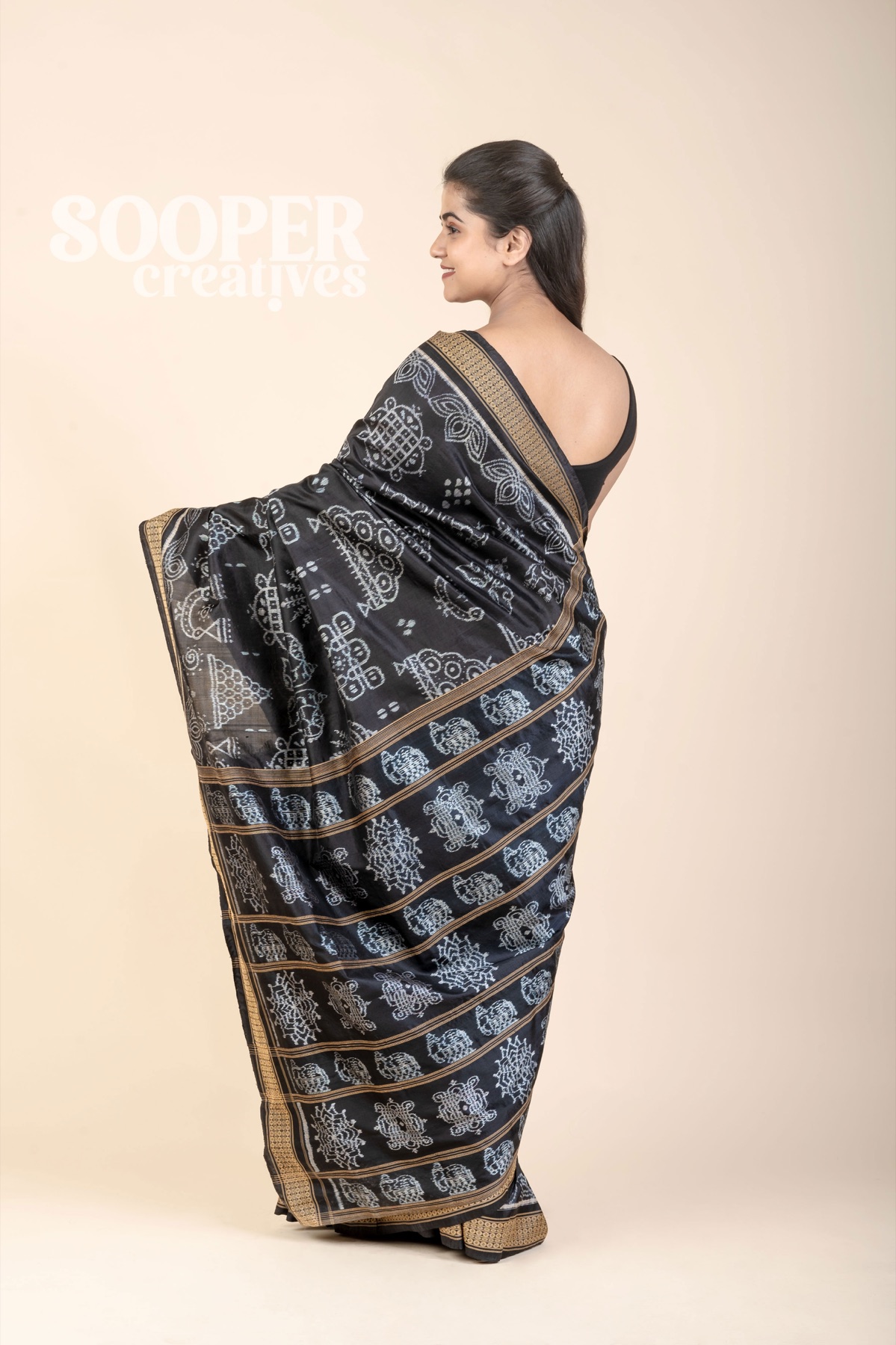
A studio fashion shoot and an outdoor lookbook can both make a collection feel desirable, but they solve different production problems. The studio offers control and repeatability. An outdoor location offers real context, natural scale and an environment that can become part of the brand story.
For Delhi NCR brands, the choice also affects permissions, travel, weather, privacy, changing facilities and how many looks can be completed. This comparison helps decide whether to use a studio, go outdoors or combine both in one campaign plan.
Choose according to the image’s job
Start with the buyer journey. Catalogue and marketplace images must show fit, colour and garment details consistently. A seasonal lookbook may need atmosphere and outfit combinations. Campaign banners require negative space for copy. Reels need movement and several vertical compositions.
If the deliverables are primarily conversion-led, control usually has greater value. If the images must create a lifestyle or cultural setting, a location may be essential rather than decorative.
Where a studio fashion shoot is stronger
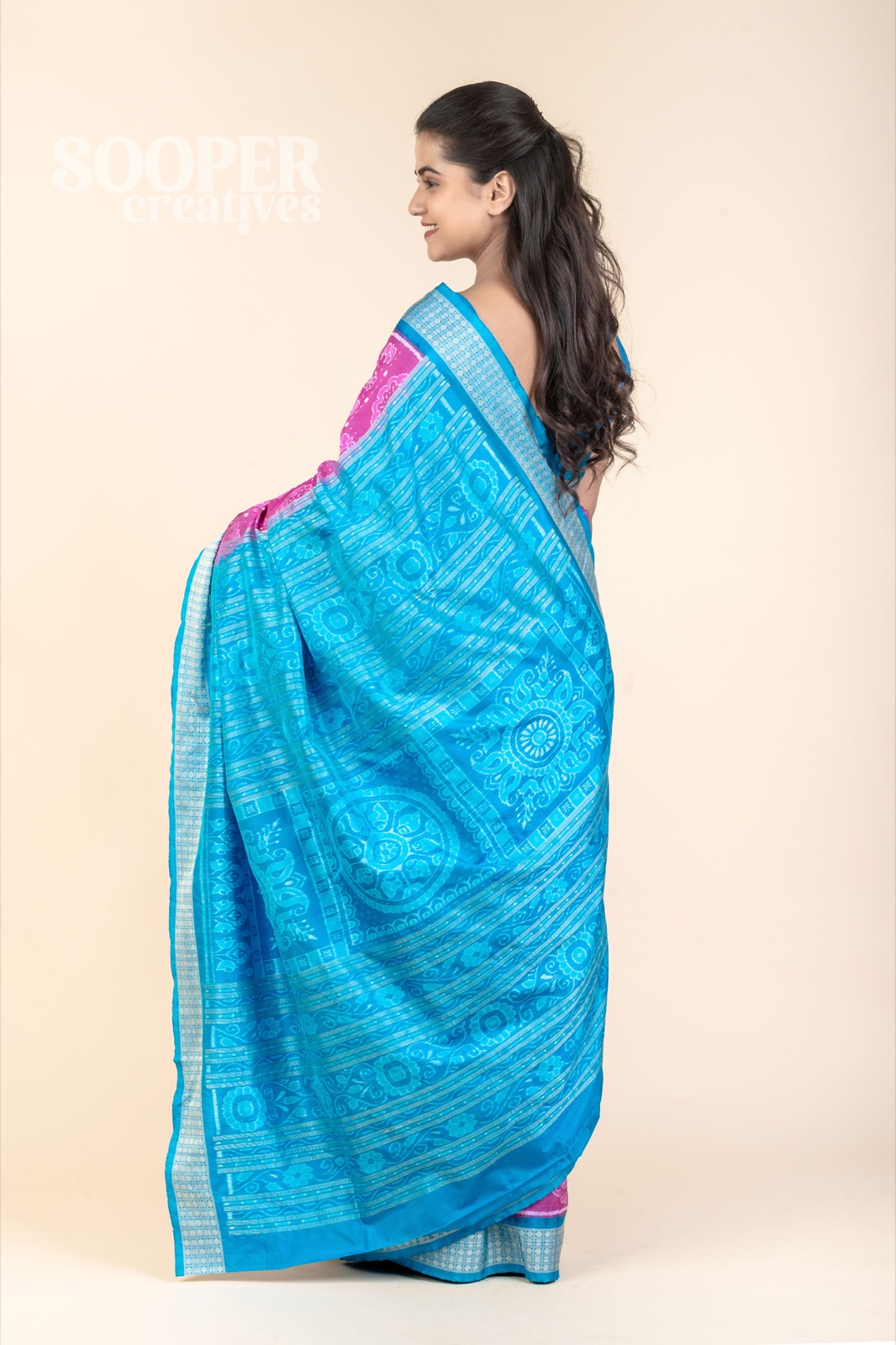
A studio allows the team to lock lighting, camera height, background and colour treatment across many looks. It is easier to repeat front, side, back and detail frames and to compare garments without a changing environment. Power, makeup, clothing racks and review monitors remain close to the set.
Studio production is also protected from rain, harsh sun, winter fog, heat and rapidly changing daylight. Privacy helps with fittings and wardrobe changes. Controlled space is useful for jewellery, reflective fabrics, precise skin tones and garments that require careful steaming.
Where an outdoor lookbook is stronger
A real location immediately supplies architecture, texture, depth and movement. Streets, gardens, cafés or modern business districts can signal who the collection is for. Natural walking, fabric movement and interaction often feel easier than on a blank background.
The setting must still support the clothes. A visually famous Delhi location is not automatically right for the collection. Check whether colours, scale, crowd level and available light reinforce the art direction rather than overwhelm it.
Compare schedule reliability
Studio timing is predictable because the crew controls most variables. Outdoor work depends on sunrise, sun direction, weather, traffic, public access and noise. The useful light window may be shorter than the booked production window.
Build a weather decision deadline and backup plan. During Delhi NCR summers, avoid scheduling heavy garments and complex makeup for the hottest hours. In winter, consider fog and low contrast. During monsoon, protect wardrobe, electrical equipment and access routes.
Plan permissions and public-space control
Some outdoor locations require photography permission, location fees, security coordination or restrictions on tripods, lights and crew size. Written approval should specify date, hours, areas, equipment and commercial use. Do not assume that a small team can work unnoticed.
Public spaces can introduce crowds, signage, vehicles and bystanders. If the collection requires clean continuity, the time spent waiting for clear frames may outweigh the apparent saving on a studio.
Compare wardrobe and makeup logistics
A studio provides a private changing area, mirrors, power and a stable place for wardrobe. Outdoors, the production may need a vanity van, private room or carefully planned base location. Clothing racks, garment bags and steamers also need protection from dust and weather.
Makeup changes more quickly in heat, wind and humidity. Plan touch-ups and select products suited to the conditions. Schedule complicated looks where the team has the strongest facilities.
Compare image consistency and variety
Studio images are easier to match across a collection and future reshoots. A coloured wall, cyclorama or built set can deliver variety while preserving lighting control. Outdoor locations give natural variety, but changes in cloud cover and background activity can make adjacent looks feel inconsistent.
Ask whether the brand needs many visual worlds or one recognisable campaign system. Variety is valuable only when the final edit still feels coherent.
Compare sound and motion requirements
If the shoot includes spoken video, outdoor traffic, aircraft, crowds and wind can create additional recording problems. A studio makes dialogue, controlled movement and repeatable lighting easier. Outdoor reels can feel energetic, but the crew needs an audio and stabilisation plan.
Capture both still and motion deliverables intentionally. Do not ask for reels after the still-photography schedule is already full.
Use a hybrid production when it improves the campaign
A practical hybrid might create consistent product and full-length frames at Sooper Studios, then photograph selected hero looks at one nearby location. This protects core deliverables while adding environmental storytelling where it has the greatest impact.
Keep the styling, colour grade and casting connected across both parts. Review the studio sets and coloured walls before assuming an outdoor location is the only route to visual variety.
Frequently asked questions
Is a studio fashion shoot cheaper than an outdoor lookbook?
Not always. Compare the full scope: studio, location permissions, travel, changing facilities, weather backup, equipment, crew hours and the number of usable final images.
Which option is better for an e-commerce fashion catalogue?
A studio is normally stronger for repeatable angles, accurate colour and high-volume consistency. Outdoor images can supplement the catalogue with lifestyle context.
Can one day include studio and outdoor photography?
Yes, when locations are close and the shot list is realistic. Travel and resetting reduce capture time, so protect the mandatory studio deliverables first.
What is the best time for an outdoor fashion shoot in Delhi NCR?
It depends on season, location orientation and desired light. Scout the exact location and make the timing decision from sun direction, access and crowd patterns.
Review the fashion and production capabilities and the fashion-shoot preparation checklist. To compare options for a real collection, send the look count, campaign references, final placements and preferred locations.