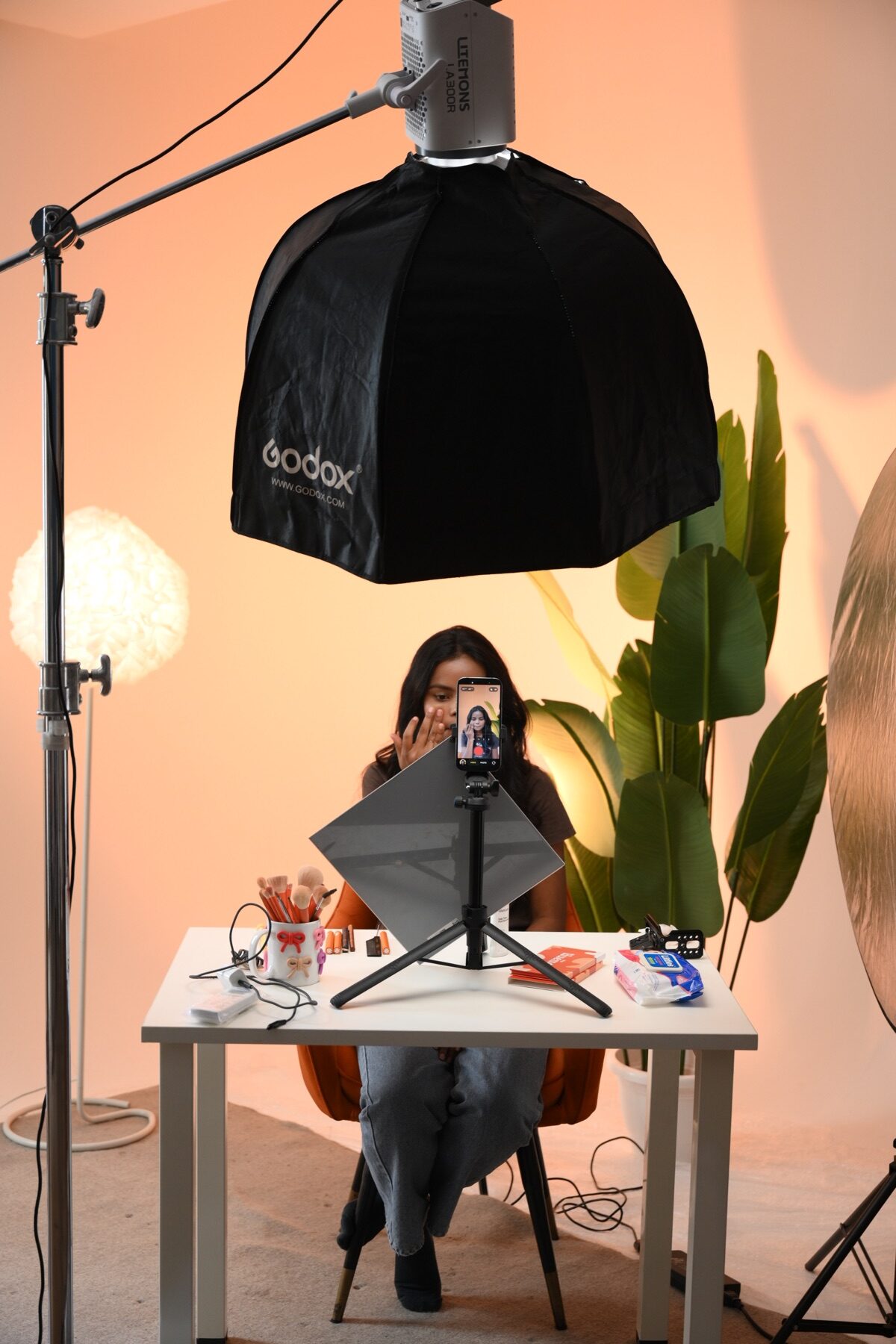
A fashion shoot preparation checklist should protect two things at once: the creative idea and the practical pace of shoot day. Models need to know the intended movement and grooming; wardrobe teams need every garment ready in the correct order; the photographer needs a shot list that reflects the final campaign, catalogue or portfolio use.
For teams travelling across Delhi, Noida, Gurgaon, Faridabad or Ghaziabad, preparation also prevents lost time caused by traffic, missing accessories and late approvals. Use this guide to organise models, wardrobe and decision-making before the studio clock starts.
Define the purpose before choosing looks
Write one sentence describing what the images must achieve. A marketplace catalogue needs consistency and garment clarity. A lookbook needs collection flow. A campaign may need a strong visual idea across print, website and social crops. A model portfolio should demonstrate range without disguising the person.
Then list the final placements, orientations and number of approved images. This decides whether the team needs full-length frames, detail images, horizontal banners, vertical reels or clean profile photographs. A moodboard without deliverables is inspiration, not a complete brief.
Confirm models with accurate measurements
Collect current height, chest or bust, waist, hip, shoe size and relevant garment measurements. Confirm availability, call time, usage terms and any travel requirements in writing. If a brand is casting for fit, select the sample size first and cast around the actual garment rather than relying on an old profile.
Share the concept, expected poses, movement, grooming level and wardrobe categories before the booking. Models should also know whether the production includes stills, video, behind-the-scenes content or speaking clips.
Build a practical look order
Arrange looks by model, makeup transition, hair change, lighting setup and garment complexity. Start with a clean look while hair and makeup are fresh, then move towards heavier styling. Group frames that share the same background and lighting so the crew is not rebuilding the set for every outfit.
Estimate changing time honestly. Draped garments, layered outfits, jewellery and lace-up footwear require longer than a basic top change. Mark hero looks and mandatory deliverables so they remain protected if the schedule slips.
Prepare every garment before arrival
Inspect samples for stains, loose threads, missing buttons, incorrect labels, broken zips and visible alteration marks. Steam or press them appropriately, then transport them on hangers in garment bags. Attach an internal SKU or look number that will not appear in the frame.
Bring duplicates of delicate hero pieces where possible. Pack a kit with lint rollers, safety pins, fashion tape, clips, small sewing supplies, stain-removal tools and the correct steamer. Do not assume a studio’s emergency kit matches a specialist garment requirement.
Separate styling accessories from included products
Create a list of footwear, jewellery, belts, bags and props for each look. Mark which items belong to the client and who is responsible for returning them. For e-commerce work, distinguish accessories used only for styling from products the customer will receive.
Check shoe sizes with the model and protect soles when items must be returned. Avoid distracting accessories when the garment itself is the primary product.
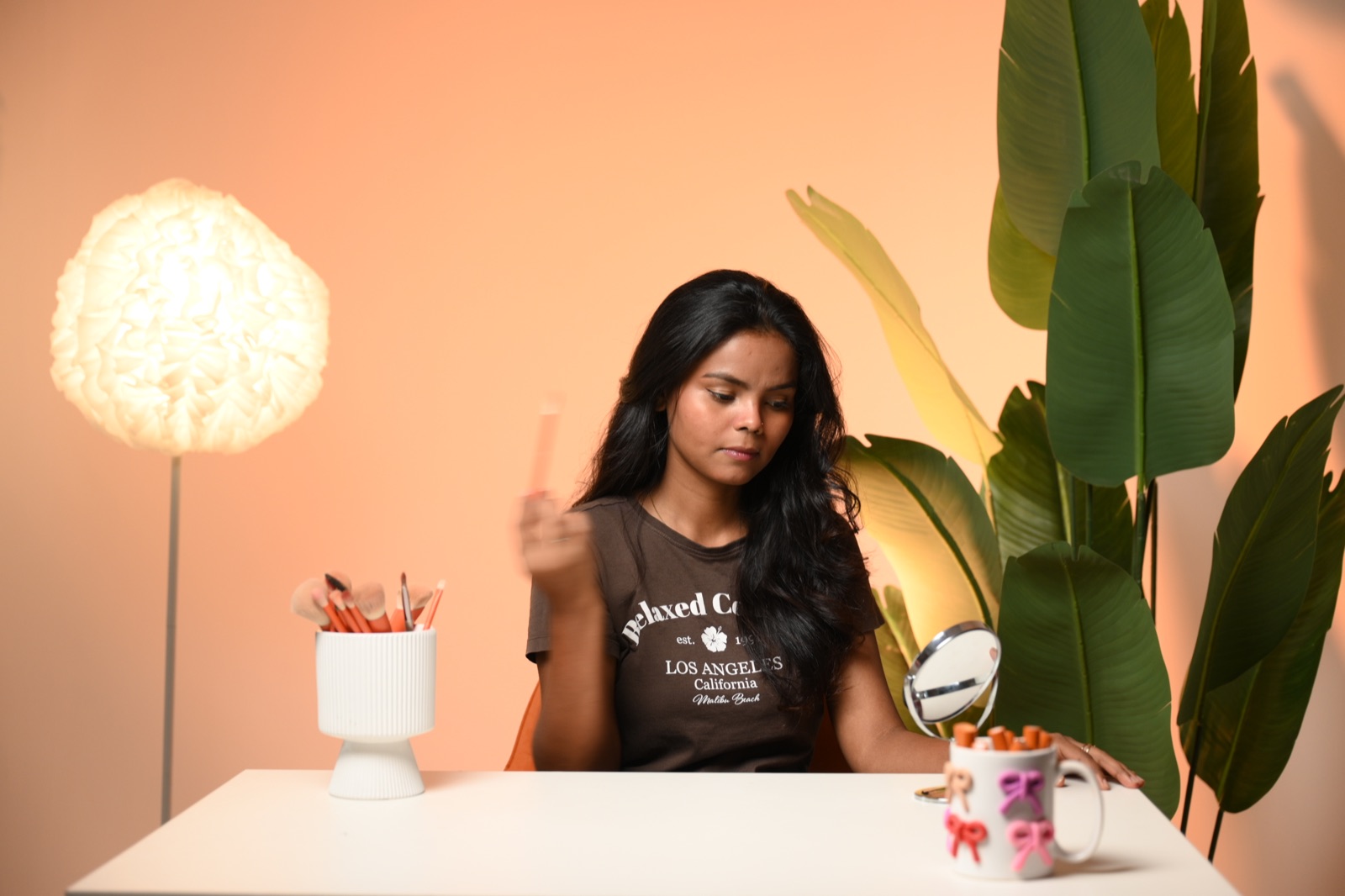
Plan hair, makeup and grooming transitions
Share references with the makeup artist and hair stylist, but describe the desired finish in practical terms: skin texture, shine control, hair movement, nail colour and how the treatment should read under the selected lighting. Ask whether the look must survive garment changes or be transformed during the day.
Models should arrive with the agreed hair and skin preparation completed. Avoid unplanned products that may react with wardrobe, create flashback or take extra removal time. Schedule final grooming checks before every hero frame.
Create a shot list the model can understand
For every look, note required framing, garment features, movement and expression. Instead of writing “creative poses,” specify what must remain visible: sleeve volume, back detail, drape, footwear, jewellery or fit at the waist. Include front, profile and movement frames only when they serve the final use.
Discuss a short pose sequence with the model before the first frame. Clear direction makes the session faster and produces genuine variation instead of several minor versions of the same image.
Set one approval route
Assign one person to approve the test frame for lighting, crop, styling and garment accuracy. If agency and client teams are joining remotely, consolidate their feedback before it reaches the set. A model cannot hold the same pose while several stakeholders send conflicting comments.
After the first approved look, routine frames should follow that standard. Pause again only for a new lighting system, major styling change or genuine exception.
Prepare the studio logistics
Confirm changing space, makeup station, garment rack, mirrors, power, steaming area, crew capacity, refreshments and loading access. Review the Sooper Studios production space and available walls, sets and shooting areas before finalising the shot order.
Send a call sheet with address, parking or arrival notes, contacts and emergency numbers. Allow travel buffer for Delhi NCR traffic, particularly when models and wardrobe are coming from different parts of the region.
Frequently asked questions
What should a model bring to a fashion shoot?
Bring the agreed base layers, footwear, grooming essentials, identification and any portfolio-specific wardrobe listed in the call sheet. The exact requirement should be confirmed with the stylist rather than guessed.
How many fashion looks can be photographed in a day?
It depends on garment complexity, lighting changes, makeup transitions, video requirements and approval speed. Build the schedule from real changeover time, not only the number of outfits.
Should garments be steamed at the studio?
They should arrive shoot-ready whenever possible. Keep time and equipment for touch-ups, but do not plan to unpack and prepare an entire untreated collection after the booking begins.
Who should approve the test frame?
One authorised client or agency representative should consolidate feedback and approve each new setup.
Use the production brief checklist to organise deliverables, then review available production support. For a practical fashion-shoot estimate, send the look count, model requirements, usage, references and required date.