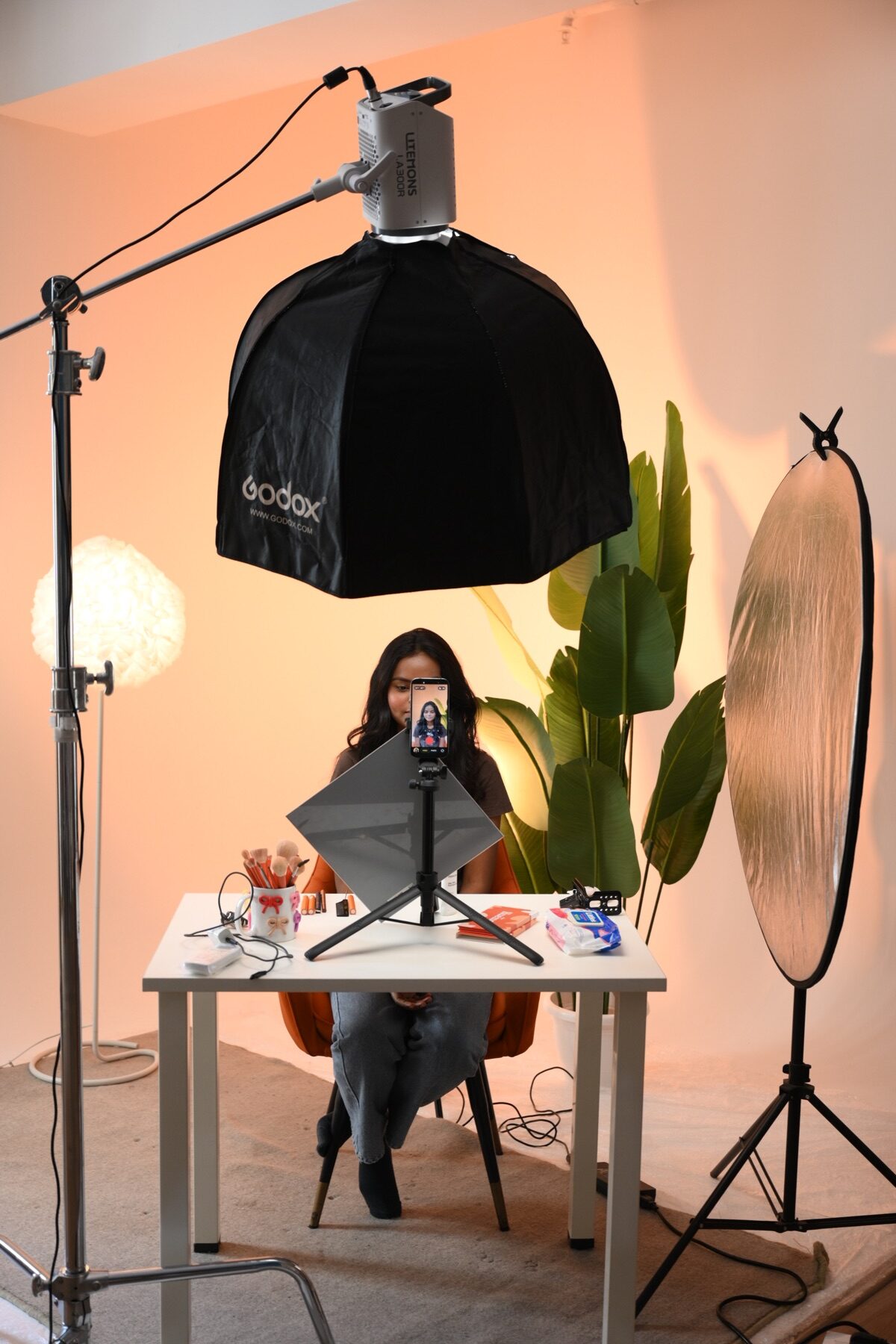
A product photography brief does not need to be long. It needs to remove the decisions that otherwise appear when the set is already lit, the photographer is waiting and five people have different ideas about what “premium” means.
For brands in Delhi NCR, a clear brief is especially useful when products, founders and agency teams may be travelling from different parts of Noida, Delhi, Gurugram, Faridabad or Ghaziabad. It helps the studio plan the right surfaces, lighting, props and crew before everyone arrives.
Start with the business job, not the visual style
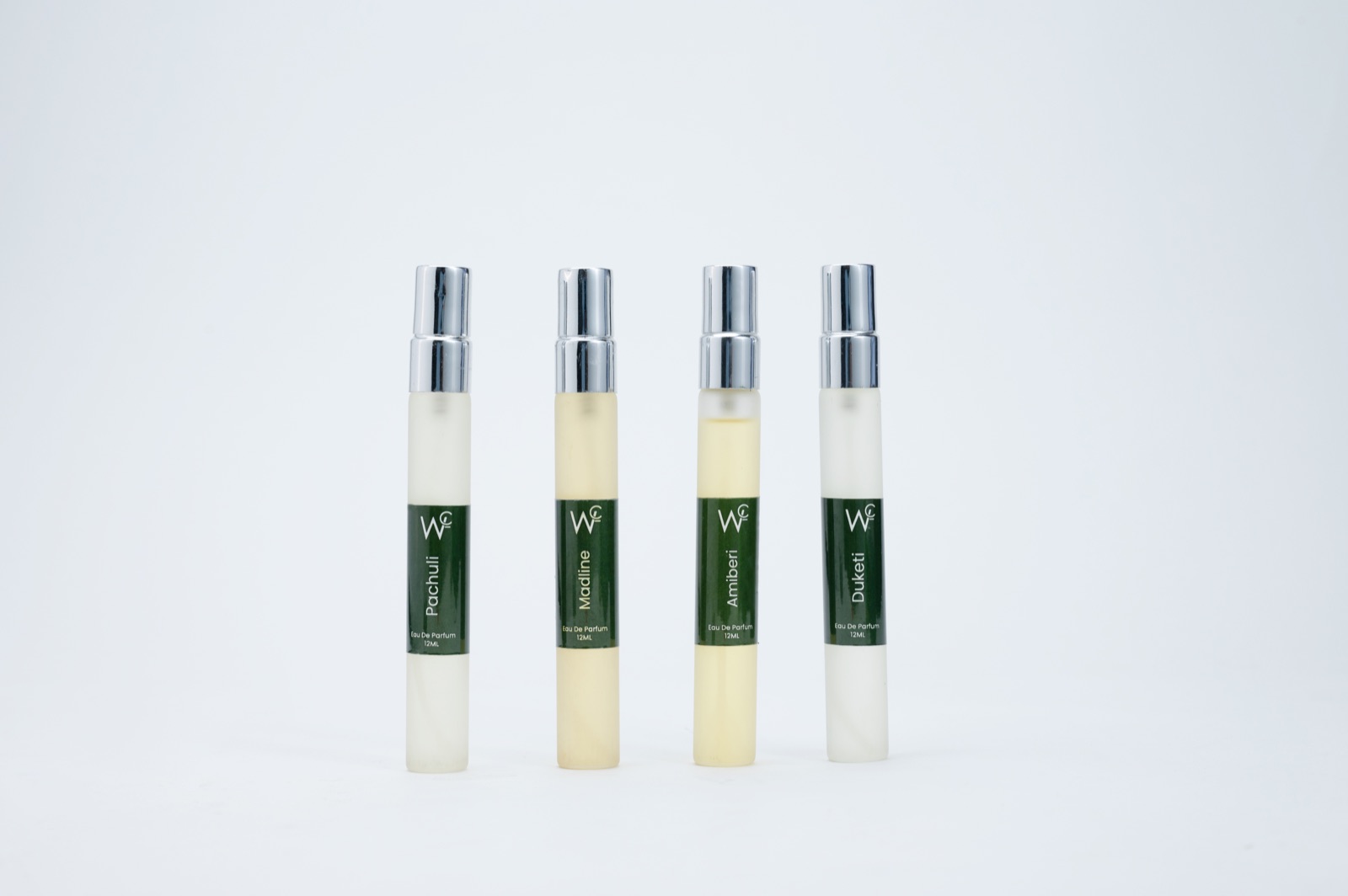
Begin by stating what the images must help the customer do. A marketplace gallery may need to explain size, material and included accessories. A campaign image may need to stop the scroll and establish a mood. A website banner may need room for copy. The same product can require very different photography for each job.
Write one clear outcome, such as: “Create a complete image set for the product page and six adaptable frames for paid social.” This gives the photographer a better decision rule than broad adjectives such as elegant, quirky or aspirational.
List every final placement and aspect ratio
Create a delivery matrix before creating a shot list. Include each channel, required crop and likely text placement:
- Marketplace main image and supporting gallery
- D2C product page, collection page and website banner
- Instagram 4:5 posts, 9:16 stories and reels covers
- Performance ads and retargeting variations
- Email headers, brochures, point-of-sale or packaging
Mark whether the product must fill the frame or whether the designer needs negative space. If a horizontal website banner and a vertical story are both important, ask for separate compositions instead of assuming one photograph can be cropped safely into both.
Build a shot list around customer questions
A useful shot list is more than “front, side and detail”. Consider what a buyer cannot understand without touching the product. Show scale, texture, finish, opening mechanisms, components, packaging and the way the item is used.
For each SKU, classify the frames:
- Required: the minimum images needed for the listing to work.
- Shared: one setup that can cover several colours or variants.
- Optional: useful creative frames to capture if time allows.
This protects the essentials when a complex reflection or styling change takes longer than expected. It also prevents a team from spending half the day perfecting one hero image while missing the practical catalogue angles.
Define the visual direction in specific terms
A moodboard is most helpful when each reference has a note explaining what to borrow. Is it the hard shadow, the colour combination, the low camera angle, the hand pose or the amount of negative space? Without notes, the photographer may read a reference differently from the brand team.
Add brand colours, fonts and current campaign artwork. Mention colours that must be avoided. If product colour accuracy is commercially important, say so explicitly and supply a physical approved sample when possible.
Describe the products and their condition
The production team needs a practical inventory, not only a marketing name. Record dimensions, weight, material, finish and the number of units available. Flag reflective metal, transparent glass, very small jewellery, flowing fabric, food that wilts, liquids that settle or packaging that scratches easily.
Send at least two clean units of a hero product when possible. Select packaging without dents, print errors or torn seals. Remove old stickers and price labels before dispatch. Include spare components, chargers, batteries or consumables needed to demonstrate the product.
Clarify people, hands and usage
If talent appears, describe the role rather than writing only an age range. Should the person feel like a founder, working professional, parent, athlete or beauty creator? Note whether the brief needs a full face, partial face, hands only or over-the-shoulder use.
For hand models, include nail and jewellery preferences. For apparel or wearable products, provide exact sizes and a fitting plan. Confirm who is responsible for model casting, hair, makeup and wardrobe. These are production decisions, not small details to solve on arrival.
State the styling and prop responsibilities
List props the brand will supply and props the studio should source. Separate “must-have” branded items from flexible decorative elements. A prop should support the product’s use, scale or mood; it should not make the frame harder to understand.
If you are considering existing walls, furniture, plinths and decorative pieces, review the Sooper Studios gallery and prop library. Availability can change, so refer to a specific item in the brief rather than assuming it will be reserved automatically.
Agree the review and approval process
Decide who can approve a setup on shoot day. One decision-maker should review the test frame for composition, product orientation, label position and overall styling. Consolidate feedback before it reaches the photographer.
Also define what happens after the shoot: number of final images, editing level, background cleanup, clipping paths, file formats, naming convention and delivery deadline. Advanced compositing, liquid effects or major packaging repair should be scoped rather than assumed.
Include the practical production information
A complete brief should state the preferred date, hard launch deadline, number of SKUs, variants, expected crew, client attendees and whether video is being captured alongside stills. Mention the largest product and any loading requirements.
When booking a photography studio in Noida, account for travel and product movement across Delhi NCR. Build in time for unloading, inventory checks, setup and pack-down—not just the camera time shown on the shot list.
A product photography brief you can copy
- Brand, product and campaign name
- Business objective and target customer
- Channels, placements and aspect ratios
- SKU list, dimensions, materials and variants
- Required, shared and optional shots
- Moodboard with annotated references
- Brand colours and colour-accuracy requirements
- Talent, hands, wardrobe and grooming
- Props, surfaces and set requirements
- Image review and approval owner
- Retouching, file naming and delivery requirements
- Date, location, crew size and logistics
Frequently asked questions
How early should we send the brief?
Send a working brief before requesting the final estimate, then lock the shot list and product inventory several business days before the shoot. More time is needed when the production includes models, custom props, set construction or specialist effects.
Who should write the brief?
The person closest to the commercial objective should own it, usually a brand, marketing or e-commerce lead. The photographer or producer can then challenge assumptions and convert the brief into a practical production plan.
Can the studio help refine an incomplete brief?
Yes. A useful starting point is the product list, launch date, intended channels and a small group of references. The production team can help shape the shot list, set direction and resource plan.
A good brief does not restrict creativity. It creates a reliable frame around the problem so the team can spend shoot day making stronger images. If you have a product launch in planning, share the essentials with Sooper Creatives and the team can help turn them into a workable shoot plan.